Saudi Arabia: Biochar Development, Policy Drivers, and Market Opportunities under Vision 2030
1. Overview
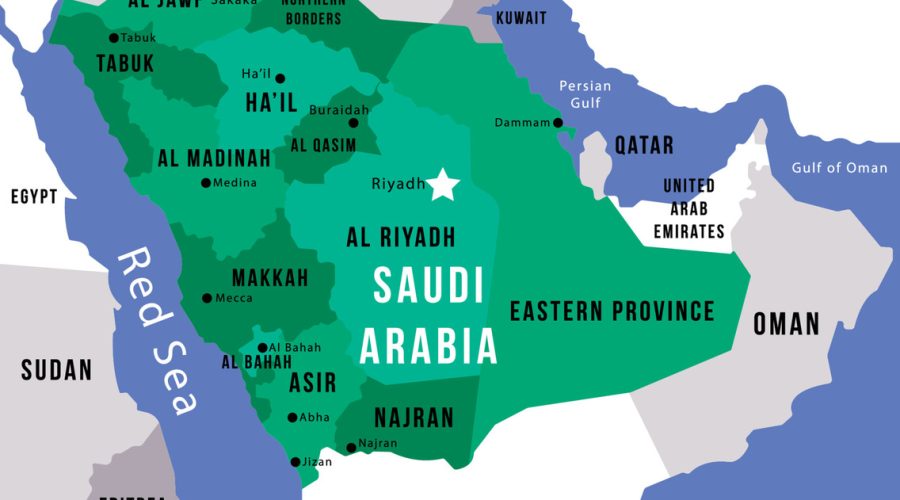
Saudi Arabia, located on the Arabian Peninsula, spans approximately 2.15 million km² and is characterized by a predominantly arid desert climate. With a population of around 35 million, the country features diverse landscapes including western mountain ranges, vast inland deserts, and coastal oasis systems in the east. Climatic conditions are extreme, with high summer temperatures, minimal rainfall, and occasional near-freezing winter conditions.
Despite these constraints, Saudi Arabia maintains agricultural production, including cereals, wheat, vegetables, and particularly dates. The date palm sector has become a strategic pillar for economic diversification, with more than 37 million palm trees cultivated nationwide.
The country’s energy system remains heavily dependent on fossil fuels. As of 2023, oil accounts for approximately 63.8% of total energy supply, while natural gas contributes 36.1%, leaving renewable energy at just 0.1%. As a result, bioenergy—and consequently biochar—is not driven by energy demand, but rather by environmental and land management needs.
In recent years, Saudi Arabia has significantly increased its focus on sustainability, land restoration, and economic diversification. These priorities are creating emerging opportunities for biochar, particularly in improving soil quality, enhancing water retention, and supporting circular bioeconomy models in arid environments. While no formal biochar industry association currently exists, growing research activity and pilot projects indicate increasing institutional interest.
2. Production
Biochar production in Saudi Arabia is currently at an early stage, primarily driven by pilot initiatives and emerging private-sector innovation.
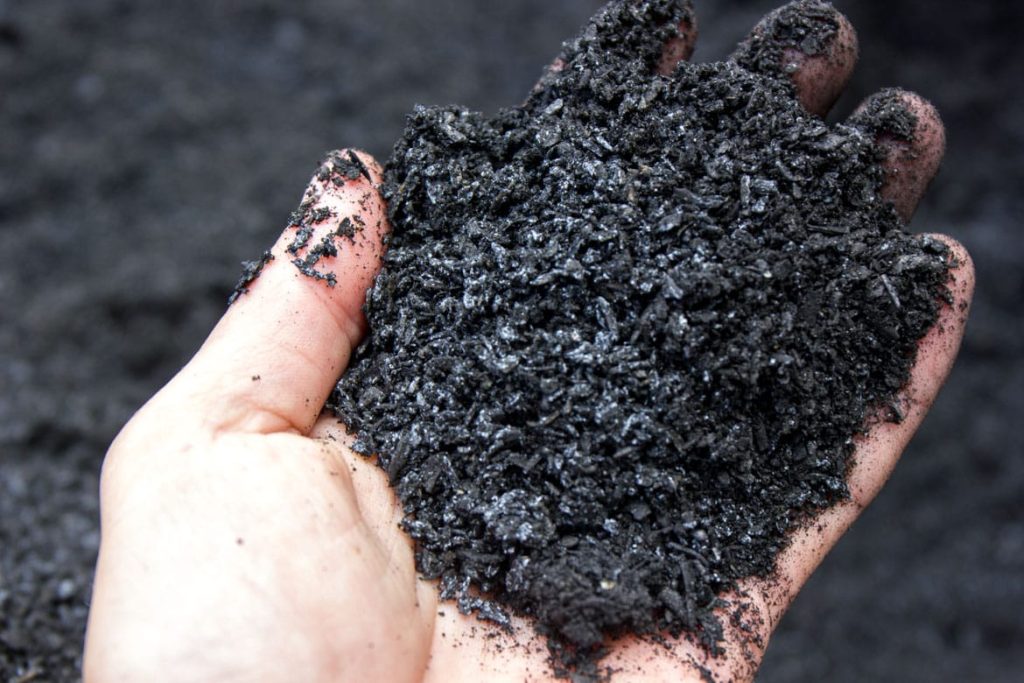
One of the most notable developments is Terraxy, a Saudi-based startup producing biochar from chicken manure. With approximately 400,000 tonnes of poultry waste generated annually—much of which is currently landfilled—Terraxy’s “CarboSoil” solution aims to convert waste into a value-added soil amendment. The company’s pilot plant produced around 150 tonnes of biochar in 2023–2024 and is positioned for future scale-up. The initiative aligns with national afforestation goals, particularly the ambition to plant billions of trees.
In parallel, the National Centre for Palm and Dates, in collaboration with the Ministry of Environment, Water and Agriculture, has initiated projects to convert palm residues into biochar. Given the scale of the date palm industry, this represents a significant untapped biomass resource. These efforts focus on improving soil water retention, enhancing crop productivity, and creating additional value streams from agricultural waste.
At present, publicly available data on total production capacity remains limited, and the sector is still in a demonstration and early commercialization phase.
3. Applications
Biochar applications in Saudi Arabia are primarily concentrated in soil improvement and land restoration, driven by national greening initiatives.
Under the Saudi Green Initiative (SGI), large-scale afforestation programs aim to plant over 600 million trees by 2030, with a long-term target of 10 billion trees. These efforts have increased interest in biochar as a soil amendment to improve water retention, nutrient availability, and plant survival rates in sandy and arid soils.
A key example is the Green Riyadh Program, which targets the planting of 7.5 million trees to expand urban green space. Collaborative projects involving local and international partners have explored the use of tailored biochar products—such as pH-adjusted biochar—to optimize soil conditions for urban planting.
Experimental and applied studies have demonstrated that biochar can significantly improve agricultural outcomes under desert conditions. Reported benefits include reduced heavy metal uptake in date production, as well as yield increases of over 70% for wheat and more than 50% for lettuce under certain conditions.
Beyond agriculture, potential applications in Saudi Arabia include urban landscaping, land rehabilitation, and waste management, although these remain at an early stage of deployment.
4. Research and Development
Saudi Arabia has an emerging but active research ecosystem focused on biochar and biomass utilization.
The Saudi Biochar Research Group (SBRG), established in 2011 at King Saud University, is one of the country’s leading research initiatives. The group conducts multidisciplinary research on biochar production and applications, particularly using date palm residues and other locally available biomass.
Research activities span laboratory and applied studies, including:
- Pyrolysis process optimization
- Physicochemical characterization of biochar
- Soil amendment performance
- Environmental remediation applications
- Climate mitigation potential
SBRG has contributed to numerous international publications and is currently working on developing national biochar standards tailored to Saudi environmental conditions. Their work provides a critical scientific foundation for scaling biochar applications in the country.
5. Policy, Frameworks, and National Strategies
Saudi Arabia’s sustainability agenda is primarily guided by Vision 2030, a comprehensive national strategy aimed at economic diversification, environmental protection, and social development.
Key environmental targets under Vision 2030 include:
- Reducing carbon emissions by approximately 278 million tonnes annually
- Planting 10 billion trees and rehabilitating 40 million hectares of land
- Protecting 30% of terrestrial and marine areas by 2030
These objectives strongly align with the potential applications of biochar, particularly in afforestation, soil restoration, and circular resource management.
Although biochar is not yet explicitly integrated into national policy frameworks or carbon market mechanisms, ongoing pilot projects and collaborations with government entities suggest increasing recognition of its potential. Currently, no formal carbon dioxide removal (CDR) certification frameworks specific to biochar have been identified in Saudi Arabia.
6. Gaps, Challenges, and Opportunities
Gaps & Challenges
- Limited role of bioenergy: With strong investment in solar and wind energy, bioenergy provides limited economic incentive as a co-product of biochar production.
- Biomass availability constraints: While agricultural residues exist, large-scale biomass supply chains are still developing, particularly for afforestation-driven demand.
- Early-stage market development: The biochar sector remains nascent, with limited commercial-scale deployment and lack of standardized frameworks.
Opportunities
- Afforestation and land restoration: National greening initiatives create a large and immediate demand for soil improvement solutions, positioning biochar as a key enabler.
- Circular bioeconomy potential: Agricultural and organic waste streams—such as palm residues and poultry manure—offer strong opportunities for valorization into biochar.
- Institutional capacity building: Research initiatives like SBRG provide a strong foundation for developing standards, scaling production, and supporting policy integration.
- Regional knowledge transfer: Saudi Arabia has the potential to collaborate with countries that have established biochar standards and carbon removal frameworks, accelerating its own development while contributing to regional expertise in arid-land applications.