Norway Biochar Market: Industrial Synergies with Strong Metallurgical Demand Potential
1. Overview
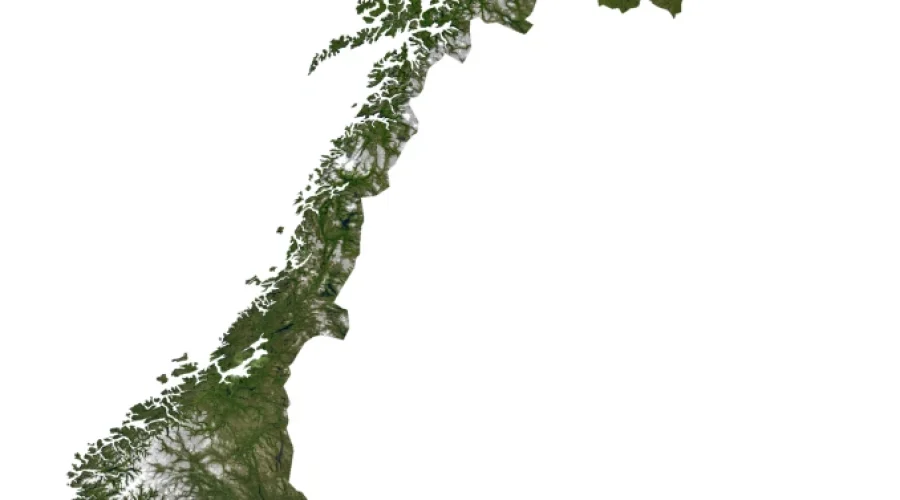
Norway, with a population of approximately 5.6 million, spans a land area of 384,483 km² characterized by diverse landscapes. These include boreal forests (37%), low-vegetation areas such as tundra and marshlands (38%), agricultural land (4%), and developed areas (2%). In addition, Norway has an extensive coastline of over 100,000 km, supporting significant marine biomass resources.
The country produces around 15 million tonnes of biomass annually, currently utilized across food, feed, materials, and energy sectors. Biomass energy use is primarily linked to industrial processes and district heating systems, although Norway remains a highly electrified country with relatively limited district heating infrastructure compared to other Nordic nations.
While biogas production from sewage sludge, food waste, and manure is growing rapidly, Norway’s largest untapped biomass potential lies in its forestry sector, complemented by smaller contributions from agriculture and aquaculture. Current biomass energy production is estimated at approximately 18 TWh annually—less than half of its technical potential.
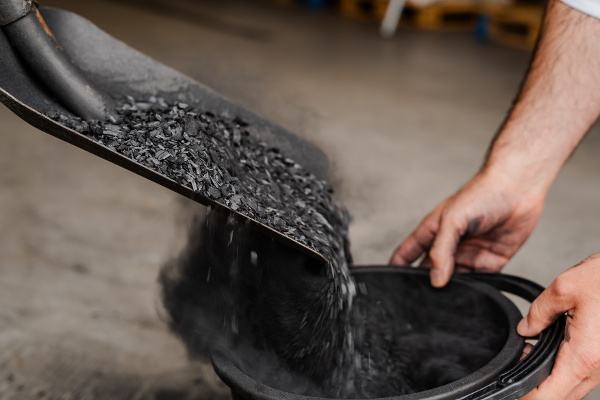
Norway also hosts a strong metallurgical industry, producing silicon, ferro-silicon, manganese alloys, aluminum, and other metals—creating a natural demand base for biochar as a fossil carbon substitute.
Key industry networks include:
- Norsk Biokullnettverk (Norwegian Biochar Network): connecting ~30 stakeholders across the biochar value chain
- Nordic Biochar Network (NBN): a broader regional platform with ~500 members promoting collaboration and knowledge exchange
2. Production
Norway has begun scaling biochar production at the industrial level, primarily using forest residues, logging by-products, and waste wood.
Currently, there are eight operational biochar production sites in the country. Notable examples include:
- OBIO (Rudshøgda):
Operates two BIOMACON units with a combined capacity of ~750 tonnes/year. Produces EBC-certified biochar for soil amendment and animal feed, with surplus heat utilized locally. - Sandnes / IVAR (Western Norway):
Two BIOMACON units producing ~400 tonnes/year, with a focus on urban biochar applications. - Other producers: ØRAS, Trøndelag County, and WAI Environmental Solutions.
In parallel, Norway is developing large-scale industrial biochar production targeting metallurgy:
- Arbion (formerly Vow Green Metals): ~25,000 tonnes/year of biochar agglomerates
- Cruda (with Standard Bio): ~10,000 tonnes/year capacity
Additionally:
- Beyonder is exploring biochar from sawdust for battery cell production
Technology Providers:
Norway is home to VOW ASA, a major technology provider offering:
- Electrically driven pyrolysis (via ETIA/Biogreen)
- Large-scale and modular systems (via subsidiaries C.H. Evensen and Scanship)
3. Applications
Biochar applications in Norway are currently concentrated in two main sectors:
- Metallurgy (primary growth driver):
- Replacement of fossil coal in metal production
- Strong demand expected from companies such as Elkem, Eramet, Alcoa, Wacker, and Hydro
- Animal feed additives
Other applications include:
- Soil improvement and composting (limited by cost competitiveness at scale)
- Urban environmental applications
Among these, metallurgical use is expected to dominate future demand, given Norway’s industrial structure and decarbonization needs.
4. Research and Development
Norway has a strong R&D ecosystem supporting biochar development, with leading institutions including:
- SINTEF Energy Research: biochar production, upgrading, emissions testing
- Norwegian University of Life Sciences (NMBU): soil applications and global south projects
- Norwegian Institute of Bioeconomy Research (NIBIO): agriculture, carbon permanence, sustainable farming
- Norwegian Geotechnical Institute (NGI): environmental remediation and emissions
- Norwegian University of Science and Technology (NTNU): life cycle assessment (LCA)
Research focuses on:
- Carbon storage and permanence
- Feedstock optimization and product characterization
- Environmental remediation
- Integration into circular bioeconomy systems
5. Policy, Frameworks, and National Strategies
Norway is a global leader in carbon capture and storage (CCS), with flagship initiatives such as:
- Longship Project
- Northern Lights CO₂ storage
These projects form the backbone of Norway’s decarbonization strategy, particularly for hard-to-abate industries.
Biochar, while recognized as a complementary carbon removal solution, currently receives less policy attention and funding compared to CCS.
Key policy elements include:
- Climate Action Plan (2021–2030): includes carbon removal targets
- Klimakur 2030: identifies biochar as a cost-effective mitigation measure (~0.8 Mt CO₂/year potential by 2030)
- Agriculture Climate Agreement: supports soil carbon storage and residue utilization
- EU Alignment: Norway follows the EU Carbon Removal Certification Framework (CRCF), recognizing biochar as a valid CDR pathway
- National guidance (“J07 Biokull”): targets ~30,000 tonnes of biochar use in agriculture by 2035
Funding mechanisms:
- Enova
- CLIMIT
- Regional Research Funds
- Regional Environmental Program (RMP) – subsidies for farmers (up to 4 tonnes per farm annually)
6. Gaps, Challenges, and Opportunities
Gaps & Challenges:
- Limited integration of biochar into national GHG accounting systems
- Policy and funding fragmented across small-scale programs
- Lack of long-term support mechanisms for industrial scaling
Opportunities:
- Metallurgical sector as a major demand driver:
Norway’s strong metal industry provides a ready market for biochar as a fossil carbon substitute. - Complementarity with CCS:
Biochar and CCS serve different but synergistic roles:- CCS: centralized, industrial emissions
- Biochar: distributed, nature-based carbon removal
- Hybrid carbon systems:
Integration of biochar, BECCS, and CO₂ utilization could position Norway as a leader in negative emissions technologies. - Aquaculture sector potential:
Emerging opportunities to use pyrolysis for waste valorization and circular resource management.