New Zealand: Emerging Biochar Opportunities in a Bioeconomy-Driven Landscape
Overview
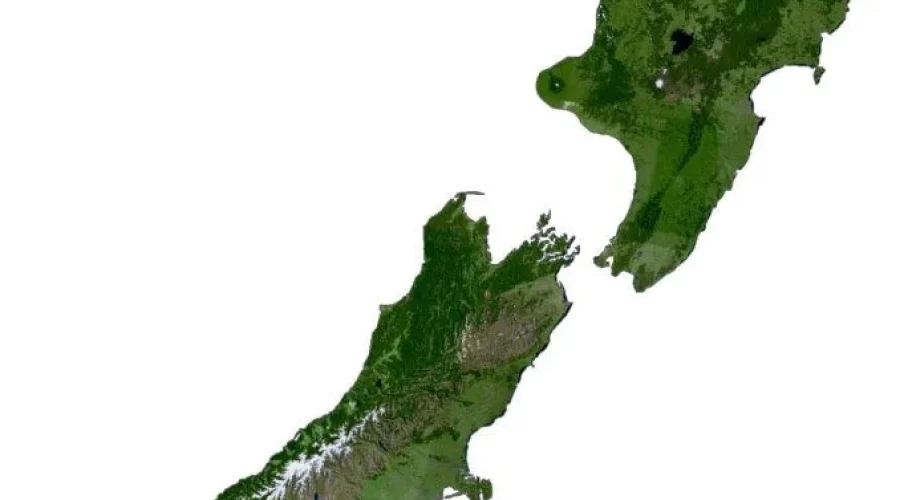
New Zealand is a Pacific island nation with a land area of approximately 263,000 km² and a population of around 5.3 million people, resulting in relatively low population density. Land use is dominated by agriculture (about 40%, primarily pasture) and forested areas (around 38%), much of which is naturally regenerated. The country benefits from a temperate maritime climate that supports both agricultural productivity and forestry.
New Zealand has a strong renewable energy profile, yet bioenergy accounts for only about 7% of total energy consumption. Of this, approximately 90% is derived from solid biomass, primarily used in industrial processes, with smaller contributions to electricity generation and residential heating.
Looking ahead, the country aims to increase bioenergy’s share in electricity generation to 12–14% by 2035 and has committed to achieving net-zero greenhouse gas emissions by 2050. With a well-established forestry and pulp industry, New Zealand presents favorable conditions for integrating pyrolysis and biochar production into its broader bioeconomy strategy.
Ecosystem and Associations
Biochar development in New Zealand is supported by collaborative industry networks such as ANZBIG and Biochar Network New Zealand.
BNNZ is a member-driven organization focused on raising awareness, promoting research, and supporting the adoption of biochar technologies. Together with ANZBIG, these organizations play an important role in fostering collaboration and advancing biochar’s role in emissions reduction and sustainable land management.
Production Landscape
Feedstock Availability
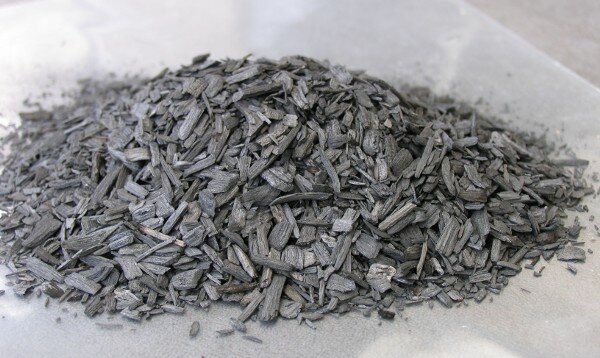
New Zealand has a diverse range of biomass resources suitable for biochar production. Key feedstocks include:
- Forestry residues and wood processing by-products
- Agricultural residues (orchard prunings, crop residues, animal waste)
- Food processing waste (e.g., fruit peelings, juicing residues)
- Municipal waste streams (yard waste, food waste, sewage sludge)
This diversity provides a strong foundation for scalable and regionally distributed biochar production systems.
Producers and Market Actors
Several early-stage companies and service providers are active in New Zealand’s biochar sector:
- The Green Circle produces biochar from forestry and agricultural residues such as pine and grape marc, generating co-products including heat and carbon credits. The company collaborates with vineyards to test biochar applications in viticulture.
- Southland Carbon offers both biochar and wood vinegar products. Their biochar is used for soil improvement, livestock feed, and agricultural productivity, while wood vinegar serves as a natural pesticide and soil enhancer.
- Epic Char supports project development and commercialization, working closely with international technology providers such as Pyreg.
- Verum Group provides laboratory analysis, testing, and certification services for biochar products.
Applications
Agriculture remains the primary application area for biochar in New Zealand, particularly in soil enhancement and crop productivity.
One notable example is Zespri, which has been trialing biochar in kiwifruit production systems. While interest in biochar is growing among farmers and agribusinesses, limited domestic production capacity and relatively high costs remain barriers to widespread adoption.
At the community level, initiatives such as The Good Carbon Farm are promoting grassroots engagement. These projects involve producing biochar from local biomass and distributing it to schools, community gardens, and ecological restoration programs.
Research and Development
New Zealand has contributed valuable research to the global understanding of biochar, particularly in agricultural and climate contexts.
The New Zealand Agricultural Greenhouse Gas Research Centre has conducted one of the country’s most comprehensive studies on biochar. This research evaluates biochar’s role in reducing agricultural emissions, including life cycle assessment (LCA), economic feasibility, and greenhouse gas accounting methodologies.
Key findings suggest that a combination of small-scale, portable, and medium-scale pyrolysis systems—especially those located near orchards and farms—could optimize feedstock utilization and provide additional heat recovery benefits.
Other research contributors include:
- Landcare Research, which has explored soil applications of biochar
- Massey University, which previously hosted the New Zealand Biochar Research Centre
While research activity has been strong historically, current levels of institutional engagement appear less visible, indicating a potential gap between research and large-scale implementation.
Policy, Frameworks, and National Strategies
New Zealand has demonstrated support for biochar through research funding; however, this has not yet translated into comprehensive policy frameworks specifically addressing biochar deployment.
The country operates an Emissions Trading Scheme (ETS), which includes sectors such as forestry, waste, industrial processes, and energy. Within this system, carbon removals are primarily associated with forestry and wood products, while biochar is not yet explicitly recognized as a carbon removal pathway.
Current national strategies emphasize:
- Net-zero emissions by 2050
- Expansion of renewable electricity
- Forestry-based carbon sequestration
Although biochar aligns well with these objectives, its absence from formal policy frameworks represents a missed opportunity for accelerating deployment.
Key Insights
New Zealand presents a promising but underdeveloped biochar market characterized by:
- Strong biomass availability from forestry and agriculture
- A well-established renewable energy and climate policy framework
- Growing interest from agricultural stakeholders
- Early-stage industry actors and pilot projects
However, key barriers remain:
- Limited production scale and high market prices
- Lack of explicit policy recognition for biochar in carbon markets
- Gaps between research outcomes and commercial deployment
With targeted policy support and investment, biochar could become an important component of New Zealand’s circular bioeconomy and climate strategy—particularly in agriculture, waste management, and distributed carbon removal systems.