WHAT IS BIOCHAR?
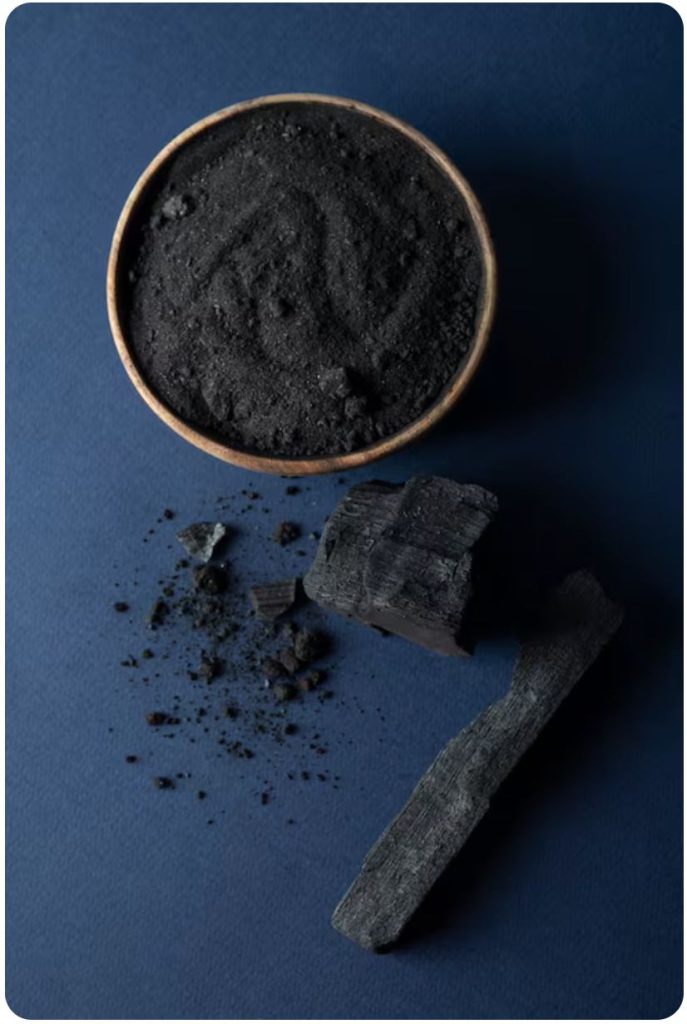
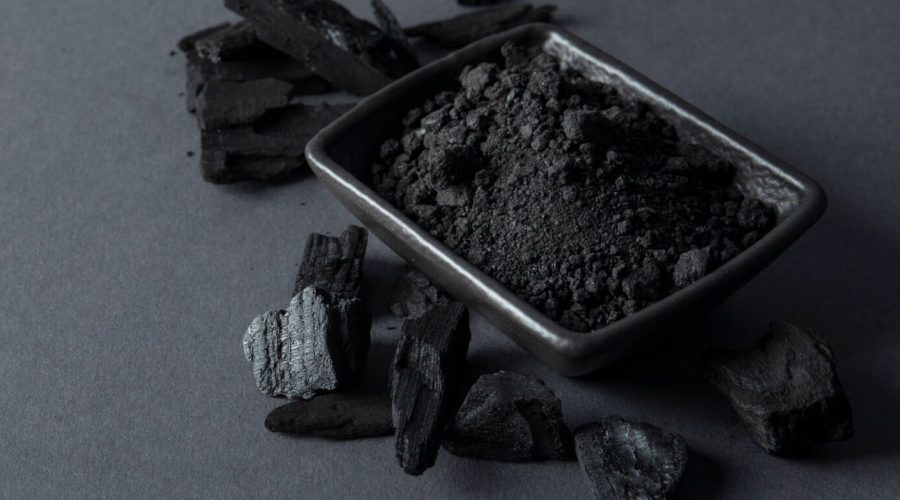
Biochar is a carbon-rich solid material produced from biomass through a thermochemical process called pyrolysis, where organic materials are heated under limited or no oxygen conditions.
Unlike raw biomass, biochar is highly stable in soil, allowing carbon to be stored for hundreds to thousands of years. This makes biochar a negative-emission solution, as it removes CO₂ from the atmosphere and stores it in a long-term carbon pool.
From a scientific perspective, biochar belongs to the broader category of black carbon, which includes a continuum of thermally altered carbonaceous materials such as partially charred biomass, charcoal, and soot.
Beyond carbon sequestration, biochar plays a critical role in:
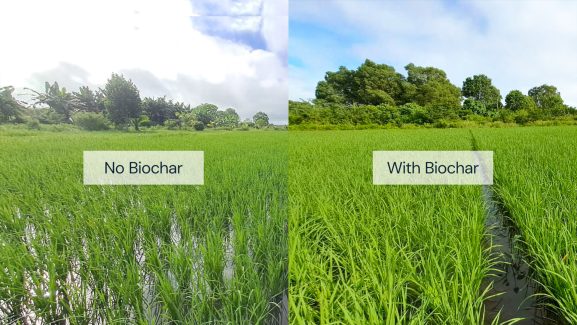
- Enhancing soil fertility and structure
- Improving water retention and nutrient availability
- Supporting microbial ecosystems
- Contributing to sustainable agriculture and circular economy models
BIOCHAR PROPERTIES
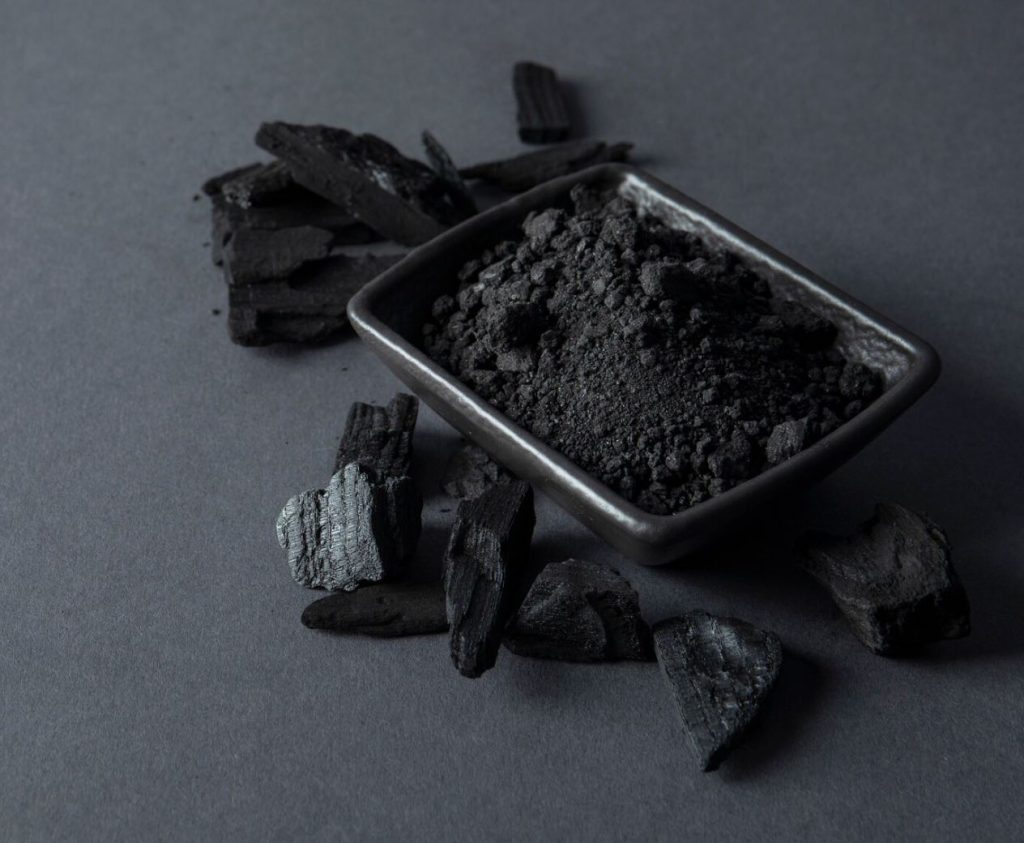
The properties of biochar vary significantly depending on:
- Feedstock type (e.g., wood, rice husk, manure)
- Pyrolysis conditions (temperature, residence time, heating rate, oxygen level)
Key physical and chemical characteristics:
- Highly porous structure → large surface area
- Lightweight and fine-grained
- Alkaline pH (in many cases)
- High carbon content (stable aromatic carbon)
Functional benefits in soil systems:
- Improves soil aeration and structure
- Enhances water holding capacity
- Increases nutrient retention (CEC – Cation Exchange Capacity)
- Promotes microbial activity
Environmental performance:
Due to its strong adsorption capacity, biochar can:
- Immobilize heavy metals and toxic compounds
- Reduce nutrient leaching (e.g., nitrate runoff)
- Mitigate emissions of N₂O and CH₄ from soils
- Filter pollutants in water and wastewater systems