Japan Biochar Market: Advanced Knowledge Base with Emerging Industrial Scale Potential
1. Overview
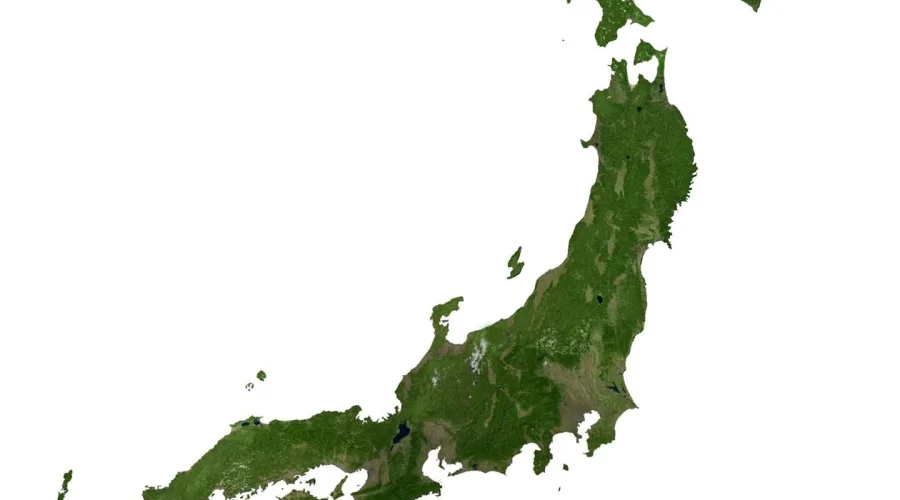
Japan is an island nation covering approximately 365,000 km², with a population of 125.1 million and a high population density. The country is predominantly mountainous, with limited flat land available for agriculture. Only about 12% of Japan’s land is used for agriculture—primarily rice cultivation—while more than two-thirds is forested.
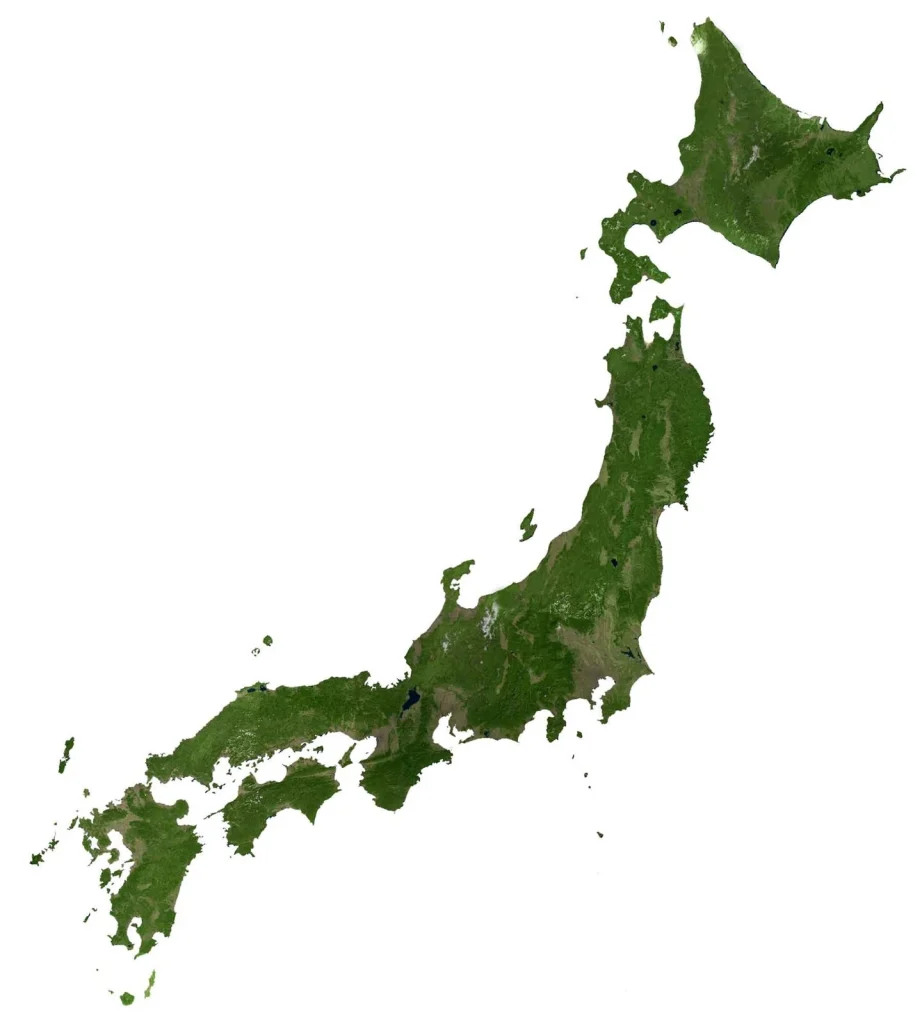
Japan’s energy system remains heavily dependent on fossil fuels, although renewable energy—particularly hydropower and solar—is steadily increasing. Bioenergy contributes only around 2.7% of total energy supply (2022), reflecting constraints in domestic biomass availability. However, this limitation has also driven innovation in biomass efficiency and circular utilization, positioning biochar as a promising pathway.
Japan has one of the most mature knowledge bases globally in biochar. The material has been officially recognized as a soil amendment since 1986, and over decades, the country has developed strong expertise in both scientific research and practical applications. Key institutions such as the Japan Biochar Association (JBA), Japan Biochar Research Center (JBRC), and Japan Biochar Consortium (JBC) play central roles in advancing research, standards, and implementation.
2. Production
Biochar production in Japan dates back centuries, with traditional practices evolving into modern systems. The primary feedstocks include:
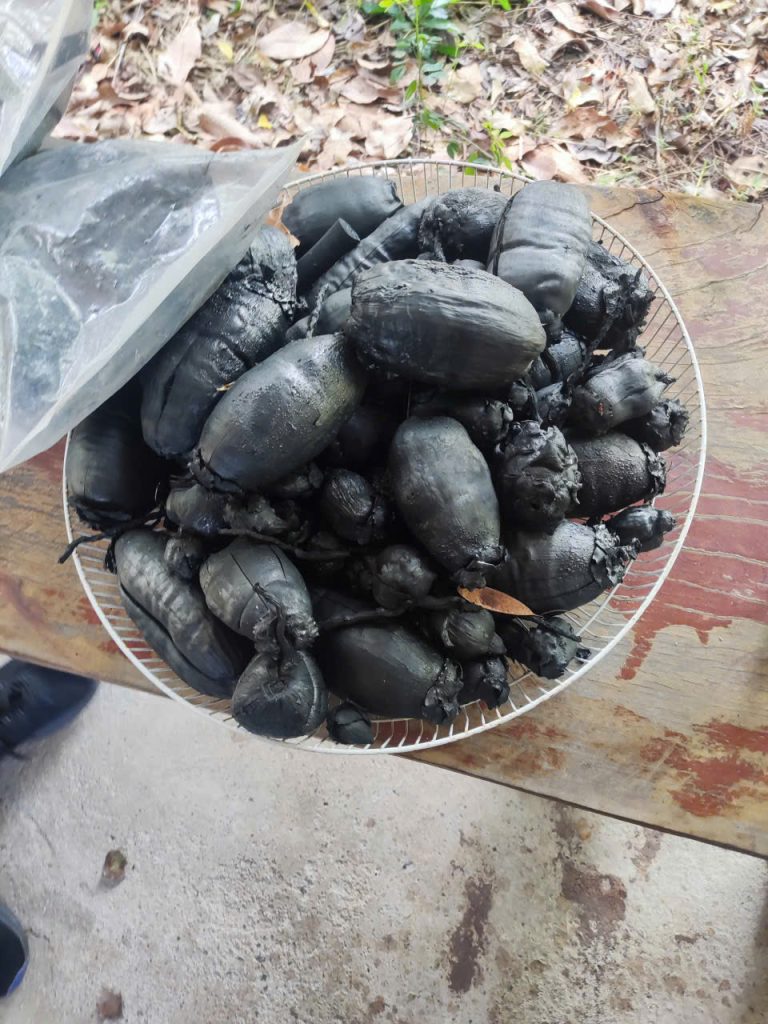
- Rice husk (approximately 2 million tonnes annually)
- Woody biomass
- Bamboo and agricultural residues
Biochar is categorized based on carbonization temperature:
- White charcoal (≥900°C)
- Black charcoal (500–650°C)
- Rice husk biochar (350–500°C)
Notable projects and developments include:
- NEDO–Yanmar Project (2025–2031):
A government-backed initiative to develop rice husk biochar systems integrated with microbial enhancement. Field trials are being conducted across more than 50 regions, with a long-term goal of scaling production beyond 10,000 tonnes annually. - Shingu Forest Energy Project:
A biomass pyrolysis facility processing approximately 20,000 tonnes of woody biomass annually, producing around 1,500 tonnes of biochar while generating renewable electricity. - Key Industry Players:
Companies such as PROS Co. Ltd., Nippon Tan, Hatsutory, and Sinanen Facilities are exploring various production pathways, including the use of underutilized biomass and applications in industrial decarbonization.
Overall, Japan’s biochar production landscape remains relatively decentralized and moderate in scale, with significant potential for industrial expansion.
3. Applications
Biochar applications in Japan are predominantly focused on agriculture and soil improvement, supported by highly detailed and standardized application guidelines.
Key application areas include:
- Soil amendment for crops such as rice, soybeans, vegetables, and fruits
- Use in seedling production, pot cultivation, and hydroponics
- Integration into composting systems
Emerging trends include:
- Biochar enhanced with microorganisms (e.g., TOWING’s “Soratan”)
- Development of carbon-negative agricultural products (e.g., COOL VEGE initiative)
- Early-stage exploration of applications in construction materials and steelmaking
Compared to other regions such as Europe, Japan demonstrates strong technical depth but relatively limited market scale.
4. Research and Development
Japan is a global leader in biochar research and development, with strong collaboration between academia, industry, and government.
Key institutions include:
- Ritsumeikan University (host of JBRC and JBC)
- Japan International Research Center for Agricultural Sciences
Research priorities include:
- Carbon accounting and MRV (Monitoring, Reporting, Verification) methodologies
- Agricultural applications and soil health improvement
- Integration of biochar into socio-economic systems
Japan is particularly advanced in understanding the socio-economic dimensions of biochar, including its role in rural revitalization and sustainable agriculture.
5. Policy, Frameworks, and National Strategies
Japan is among the most advanced countries in integrating biochar into formal carbon policy frameworks.
- J-Credit Scheme (J-Scheme):
Recognizes biochar as a carbon dioxide removal (CDR) pathway.
The carbon stock calculation is defined as: CO2 stock = (Added biochar volume x Organic carbon content x Fraction of biochar carbon x 44/12) – CO2 emissions resulted from biochar production and transportation
Key requirements include:
- Minimum carbon durability of 100 years
- Strict product quality standards
- Robust MRV methodologies
In addition:
- Japan’s Green Innovation Fund (~2 trillion yen) supports R&D, demonstration, and commercialization of low-carbon technologies
- National strategies emphasize carbon neutrality by 2050, with biochar positioned as a supporting solution
6. Gaps, Challenges, and Opportunities
Gaps & Challenges:
- Limited and less diverse biomass resources compared to other countries
- Small-scale and decentralized production systems
- Seasonal availability of key feedstocks such as rice husk
Opportunities:
- Export of knowledge and technology, particularly for rice-producing countries in Asia
- Established carbon credit framework provides a strong foundation for scaling
- Expansion into industrial applications such as:
- Cement and construction materials
- Steel and metallurgical processes
- Potential for sewage sludge pyrolysis in high-density urban areas