Canada’s Biochar Sector: Current Status, Policy Landscape, and Market Potential
1. Overview
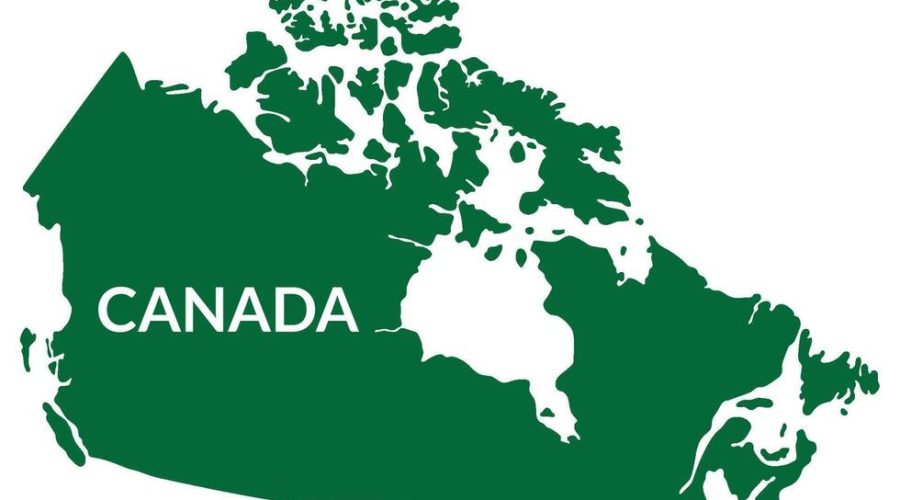
Canada, the second-largest country in the world with a land area of approximately 9.97 million km², is characterized by vast natural resources and a very low population density of about 4.6 people per km². Nearly 39% of the country is covered by forests—primarily boreal, with deciduous regions in the south—supporting a significant forestry industry that harvested around 131 million cubic meters of timber in 2022. Agricultural land accounts for about 6% of the total area, yet Canada remains one of the world’s leading exporters of agricultural and food products, reaching approximately USD 100 billion in exports in 2024.

Although bioenergy currently contributes only about 6% to Canada’s total primary energy supply, its role has been gradually increasing and is expected to support the country’s long-term net-zero ambitions. Canada’s climate strategy has historically focused on emissions reduction, targeting a 40–45% reduction in greenhouse gas emissions by 2030 and achieving net-zero by 2050. Due to significant emissions from transportation, the country has invested heavily in biofuels. However, in the carbon removal space, Canada’s efforts are largely concentrated on technologies such as Direct Air Capture (DAC) and Bioenergy with Carbon Capture and Storage (BECCS), while biochar remains underrepresented. To date, only a limited number of Canadian companies have engaged in purchasing biochar-based carbon removal credits, and no formal regulatory framework exists for such credits.
2. Production
Canada’s well-established bioeconomy and abundant biomass resources create strong conditions for large-scale biochar production. In recent years, the country has seen the emergence of major projects built on strategic partnerships across the value chain, typically involving forestry operations, technology providers, and industrial end-users.
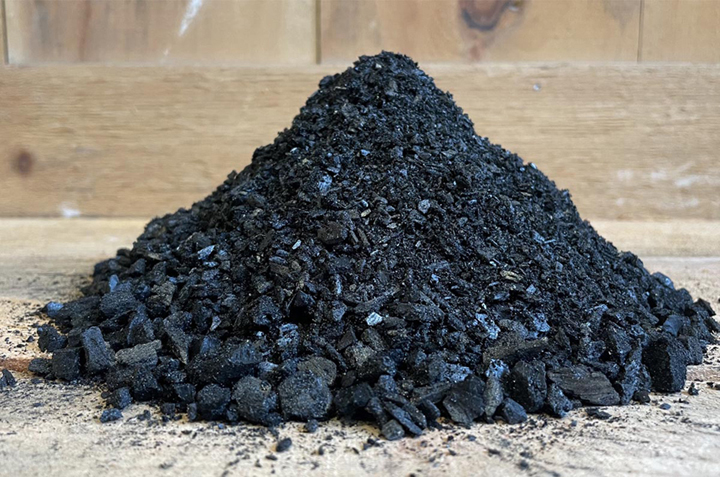
Notable examples include the Biolesna and CARBONITY projects in Quebec. The Biolesna Carrot River project was developed to address limited markets for sawmill residues, converting them into biochar using advanced technologies and generating carbon removal credits for the voluntary market. The CARBONITY project, launched in 2025, represents a collaboration between AIREX Energy, SUEZ, and a local mill operator. It is designed to produce 10,000 tonnes of biochar annually in its initial phase, with plans to triple output by 2026.
Canada also demonstrates strong momentum in producing biochar for metallurgical applications. In 2018, Elkem Metal Canada partnered with Pyrovac to develop a facility capable of producing 40,000 tonnes of biochar per year to replace fossil coal in ferrosilicon production. Other initiatives include projects led by CHAR Technologies, Evolys (a collaboration between Rio Tinto and Aymium), and Infinite Carbon, all targeting industrial decarbonization.
In addition to large-scale facilities, Canada hosts a number of small-scale and mobile biochar producers. Companies such as Bioburn Pro and Tigercat offer portable systems that enable on-site conversion of wood waste and biomass residues, supporting decentralized production models.
3. Applications
Biochar applications in Canada are diverse, with strong emphasis on both industrial and agricultural uses. In the metallurgical sector, biochar is increasingly used as a substitute for fossil coal in processes such as steel and ferrosilicon production. Projects led by Elkem Metals Canada and Evolys highlight this transition toward renewable carbon in heavy industry.
Agricultural applications are also well developed, with companies such as Titan Biochar and BC Biocarbon producing soil amendment products aimed at improving soil fertility, water retention, and crop productivity.
Another promising application area is activated carbon. Companies like CHAR Technologies have developed specialized products such as SulfaCHAR, which functions as a filtration medium in biogas systems and can later be reused as a sulfur-enriched soil amendment. Titan Clean Energy Products also produces activated carbon materials for air and water purification, as well as niche markets such as pet care products.
4. Research and Development
Canada benefits from a strong research ecosystem supporting biochar innovation. Leading academic institutions, including the University of Saskatchewan, the University of Alberta, and Université Laval, are actively engaged in biochar-related research.
At the federal level, Natural Resources Canada is investing in multiple biochar initiatives through its CanmetENERGY program (2023–2028). Key projects include efforts to integrate biochar into heavy industry for decarbonization, particularly in steel and cement production, as well as initiatives focused on biomass conversion pathways, carbon sequestration, and national assessments of negative emissions potential.
Agriculture and Agri-Food Canada (AAFC) is also exploring biochar applications in soil systems through its Agricultural Climate Solutions program. Research includes the use of biochar combined with organic residues such as poultry manure digestate, as well as studies on its effects on soil health and horticultural productivity.
5. Policy, Frameworks, and National Strategies
Canada has implemented a range of climate policies focused primarily on emissions reduction, supported by carbon pricing systems at both federal and provincial levels. These systems include carbon taxes and large-emitter trading schemes designed to incentivize emission reductions across industries.
The country’s primary mechanism for carbon credits is the Greenhouse Gas Offset Credit System, which allows for the generation and trading of credits from verified emission reductions or removals. While protocols for technologies such as DAC are under development, biochar-specific methodologies have yet to be established.
Currently, biochar is supported indirectly through broader clean energy and innovation funding programs. Federal initiatives such as the Investments in Forest Industry Transformation Program and the Clean Fuels Program, along with provincial programs like Ontario’s Forest Sector Investment and Innovation Program, have provided funding for biochar-related projects.
Given ongoing research efforts and policy evolution, it is expected that Canada may expand its support for carbon removal technologies, including biochar, in the coming years.
6. Gaps, Challenges, and Opportunities
Despite strong technical and resource advantages, Canada faces several challenges in scaling its biochar sector. The absence of a dedicated policy framework for biochar, particularly within carbon credit systems, remains a major barrier to investment and market development. Additionally, geographic factors such as long transport distances and reliance on centralized energy infrastructure can limit the competitiveness of decentralized biochar systems.
However, the opportunities are significant. Canada’s vast biomass resources—especially forestry residues—offer a strong foundation for expanding biochar production. This creates new market opportunities for low-grade biomass that has traditionally had limited economic value, while also supporting more sustainable forest management practices.
International trade presents another opportunity, particularly in supplying high-quality biochar to markets such as Europe for industrial applications. Domestically, integrating biochar into steel production and other heavy industries can reduce reliance on fossil carbon while strengthening local value chains.
Furthermore, biochar systems integrated with energy production (poly-generation) have the potential to provide sustainable energy solutions for rural and remote communities. Applications in construction materials, such as asphalt and concrete, also represent scalable pathways for deploying biochar at an industrial level.
Overall, while policy and market barriers remain, Canada is well positioned to become a major player in the global biochar and carbon removal economy by leveraging its natural resources, industrial capacity, and innovation ecosystem.