China’s Biochar Sector: Scale, Technology, and Market Development Dynamics
1. Overview
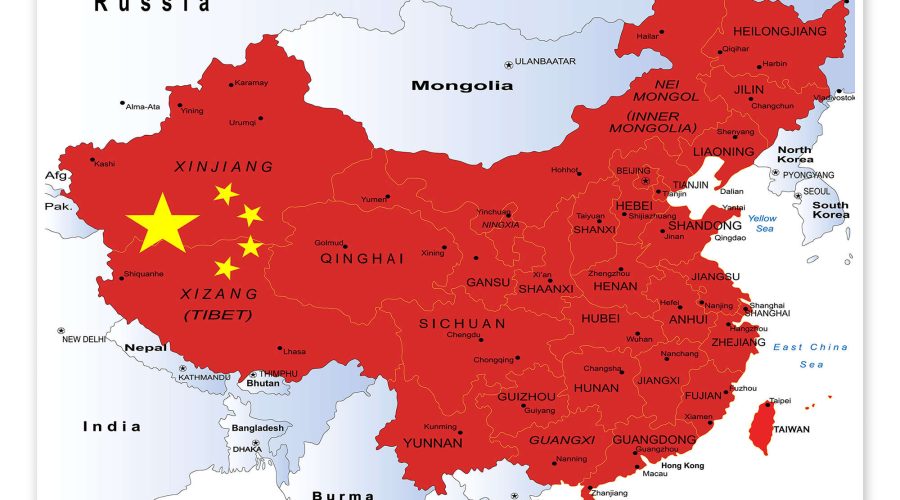
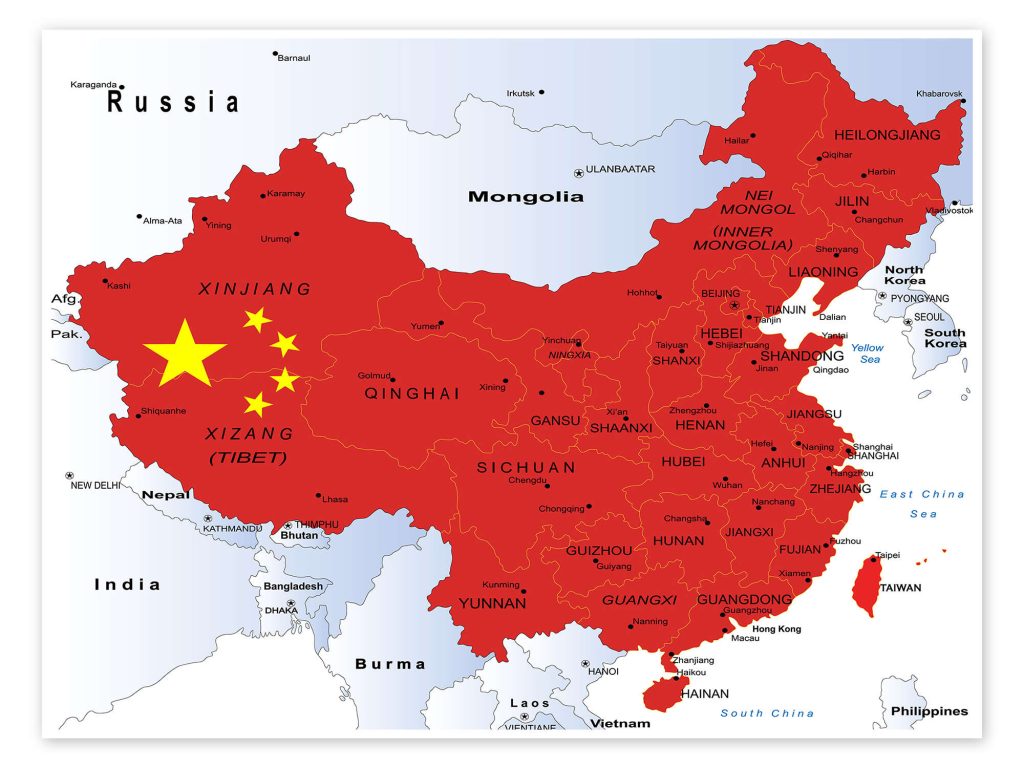
China, with a total land area of approximately 9.6 million km², is one of the largest and most populous countries in the world, home to around 1.4 billion people. Its geography is highly diverse, ranging from arid and semi-arid regions in the north and west to humid subtropical climates in the south. About 56% of the country’s land is classified as agricultural, including permanent pasture (42%) and arable land (12%), while roughly one-quarter is covered by forests.
Despite its vast biomass resources, bioenergy currently accounts for only a small share of China’s total energy consumption—around 3.3%—primarily from solid biofuels. Over the past decade, the role of solid biofuels has shifted from traditional residential heating toward more modern applications such as electricity generation and industrial heat. Nevertheless, coal remains dominant, supplying approximately 60% of China’s energy mix.
China is the world’s largest producer of agricultural residues and one of the most active regions globally in thermochemical biomass conversion. The biochar sector is supported by abundant feedstock availability—including rice husks, crop residues, forestry waste, and municipal organic waste—and a decade of rapid expansion in pyrolysis and gasification technologies. However, despite its enormous technical potential—estimated in the hundreds of millions of tonnes annually—the industrial biochar market remains underdeveloped. The sector’s near-term trajectory is shaped by three key drivers: continued expansion of biomass-to-energy systems generating gasification char, development of large-scale rice husk-based pyrolysis plants, and increasing regulatory focus on product quality and emissions control.
2. Production
Biochar production in China is largely driven by agricultural residues, particularly rice husks, rice straw, wheat straw, and corn cobs. In 2020 alone, China generated approximately 737 million tonnes of agricultural residues, with over 80% already being utilized in various applications. Coastal regions with intensive rice processing, such as the Yangtze River Delta, are key hubs for rice husk-based biochar production, while bamboo and forestry residues dominate in southern regions. In northern China, maize and wheat residues are more prevalent.
Technologically, the majority of biochar produced in China originates from biomass gasification systems. These systems are primarily designed for energy generation—producing heat, steam, or electricity—with biochar as a by-product. It is estimated that more than 80% of current biochar output comes from such gasification processes. This type of char is increasingly utilized in construction materials, adsorbents, and blended soil products where specifications permit.
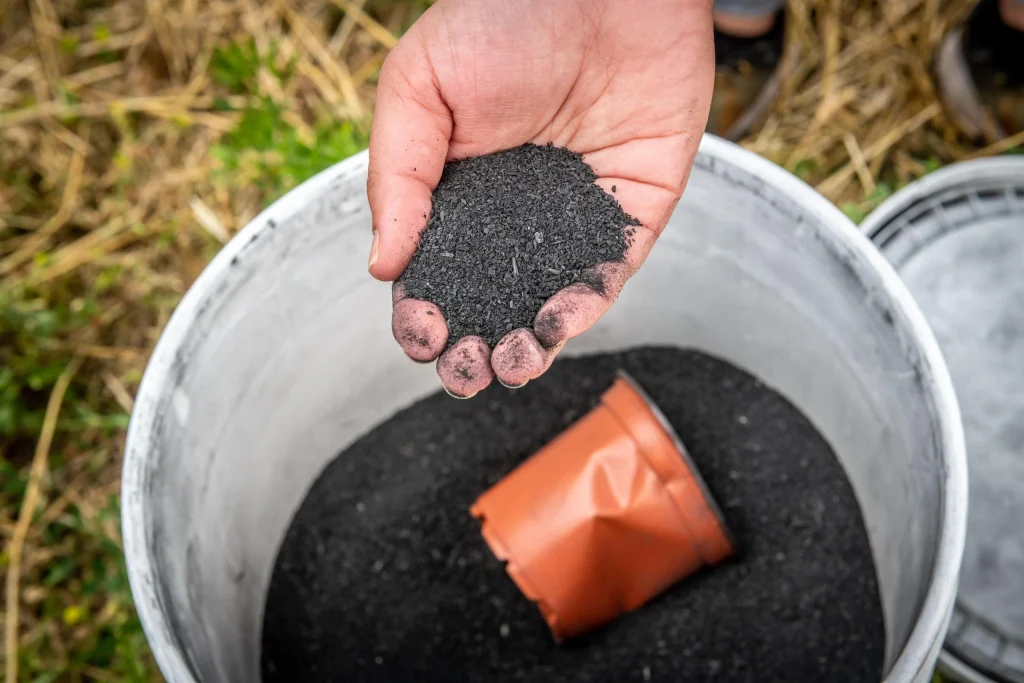
Dedicated pyrolysis systems—particularly slow pyrolysis and carbonization technologies—are also present but represent a smaller share of industrial production. These systems are often found in regions with abundant bamboo or forestry resources. Technology providers in China are numerous and diverse, including companies such as HaiQI Group, Pyrogreen, Beston Group, Henan Mingjie, and Gemco Energy, offering a wide range of solutions from small mobile units to large continuous processing systems.
In terms of scale, China’s theoretical biochar production capacity is enormous. Estimates suggest a maximum potential of around 145 million tonnes per year based on biomass availability. However, actual production remains relatively modest, with approximately 0.5–0.7 million tonnes produced annually in recent years. This gap reflects not a shortage of feedstock, but rather constraints in market development, regulatory frameworks, and project financing.
Several large-scale projects are currently under development, particularly rice husk-based facilities with capacities of around 150 tonnes per day. These plants are typically co-located with rice mills or agro-industrial clusters to ensure stable feedstock supply and reduce logistics costs. In coastal regions, integration with industrial heat users further enhances economic viability.
3. Applications
Biochar applications in China are diverse, spanning agriculture, industry, environmental management, and waste treatment. In agriculture, biochar is used to improve soil fertility, enhance water retention, and support crop productivity. It is often incorporated into compound fertilizers or applied in pelletized form for specific crops. Large-scale pilot projects have also demonstrated its effectiveness in rehabilitating saline and alkaline soils.
However, adoption in agriculture is moderated by strict regulatory standards, particularly concerning heavy metals, pH levels, and electrical conductivity. Farmers also tend to prioritize immediate economic benefits—such as fertilizer efficiency—over long-term carbon sequestration, which can limit uptake.
Industrial material applications represent one of the fastest-growing markets for biochar in China. Gasification-derived char is increasingly used in cement, asphalt, concrete, and polymer composites. These applications are attractive because they can absorb large volumes of biochar with less stringent quality requirements, while supporting industrial decarbonization goals. For example, char-modified asphalt is being tested in infrastructure projects to improve durability and performance.
Environmental applications are also well established. Activated and engineered biochars are widely used for water treatment, odor control, and removal of heavy metals and pollutants in industrial and municipal systems. In addition, biochar is used in livestock management and composting processes to reduce ammonia emissions and improve nutrient retention.
4. Research and Development
China has one of the most active biochar research ecosystems in the world, with strong collaboration between universities, research institutes, and industry. Key research areas include optimization of pyrolysis processes, characterization of biochar properties, development of material applications, and evaluation of soil and environmental benefits.
Priority research themes include scaling up stable carbon production, upgrading gasification char for high-value applications, developing robust MRV (Monitoring, Reporting, Verification) systems for carbon accounting, and improving nitrogen-use efficiency in agricultural systems. Universities such as Nanjing Agricultural University, Zhejiang University of Science & Technology, and Shenyang Agricultural University play leading roles, with dedicated research laboratories focused on biochar technologies.
China is also an exporter of biochar-related technologies, particularly to Southeast Asia, where demand for biomass conversion solutions is rapidly growing.
5. Policy, Frameworks, and National Strategies
In China, biochar is not treated as a standalone policy priority but is embedded within broader national strategies related to carbon neutrality, rural development, and circular economy. Policies promoting biomass utilization, waste-to-resource conversion, and renewable energy indirectly support the development of the biochar sector.
A number of technical standards have been developed, particularly for agricultural applications, addressing parameters such as contaminant levels and product quality. However, two critical factors influencing market growth are the standardization of biochar quality and the enforcement of air emissions regulations, especially for smaller rural production units.
China’s carbon market is still evolving, and while biochar-based carbon removal methodologies are recognized internationally, alignment with domestic carbon credit systems remains limited. As a result, some project developers target international voluntary carbon markets, while others focus on integrating biochar into industrial decarbonization strategies rather than carbon credit generation.
6. Gaps, Challenges, and Opportunities
Despite its vast potential, China’s biochar sector faces several structural challenges. The most significant is the gap between theoretical production capacity and actual market output, driven by regulatory uncertainty, limited market development, and financing constraints. Inconsistent product quality and uneven enforcement of environmental standards also affect market confidence, particularly in agricultural applications.
Logistical challenges—such as the collection, transportation, and storage of biomass—are another barrier, especially in regions lacking integrated supply chains. Seasonal variability and moisture content further complicate operations. In addition, limited data transparency and inconsistent definitions of biochar products make it difficult to assess market size and performance accurately.
However, the opportunities are equally significant. Industrial applications—particularly in construction materials and metallurgy—offer scalable pathways for large-volume biochar utilization. Co-location of production facilities with industrial heat users can significantly improve economic performance. Retrofitting existing coal infrastructure to biomass-based systems also presents a strategic opportunity for decarbonization.
Regions with strong agricultural processing infrastructure, such as rice-producing coastal areas, are well positioned for rapid scale-up. Advances in standardization, emissions control, and MRV systems will be critical in unlocking both domestic agricultural markets and international carbon credit opportunities.
Finally, decentralized and mobile pyrolysis systems offer promising solutions for rural and remote regions, enabling biomass management, reducing open burning, and delivering environmental co-benefits even at smaller scales.