Biochar – The Most Mature CDR Solution Available Today
In the rapidly evolving landscape of climate technologies, Biochar has emerged as one of the most mature and practical Carbon Dioxide Removal (CDR) solutions currently available. According to the Nitidae Biochar Market Study (June 2025), biochar is not only one of the oldest carbon removal methods but also the most commercially advanced among durable CDR technologies.
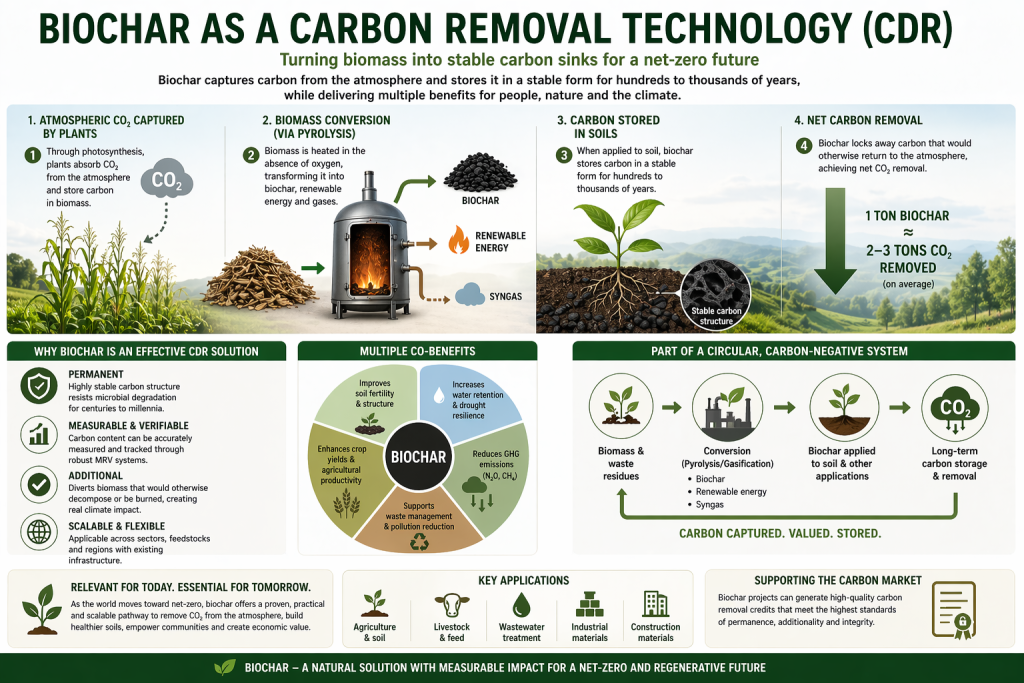
What Makes Biochar a Leading CDR Solution?
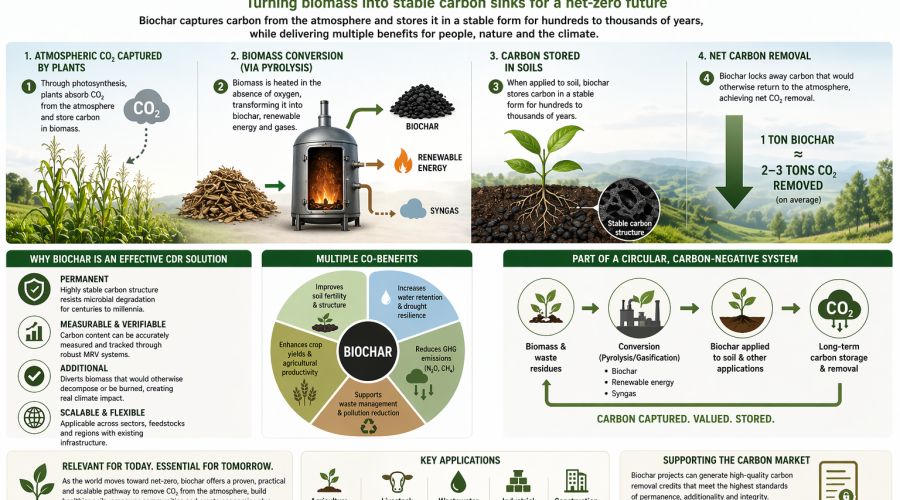
Biochar is produced through pyrolysis — the thermal decomposition of biomass in an oxygen-limited environment. When applied to soil, it sequesters carbon for centuries to millennia, making it a highly durable form of carbon removal. Unlike many emerging CDR technologies still in early development stages, biochar benefits from decades of scientific research, established production methods, and active deployment at both industrial and artisan scales.
The Nitidae report highlights that biochar currently accounts for the majority of delivered durable CDR credits in the voluntary carbon market. Its Technology Readiness Level (TRL) is significantly higher than many competing solutions such as Direct Air Capture (DAC), enhanced rock weathering, or ocean alkalinity enhancement.
Key Advantages of Biochar as a CDR Method
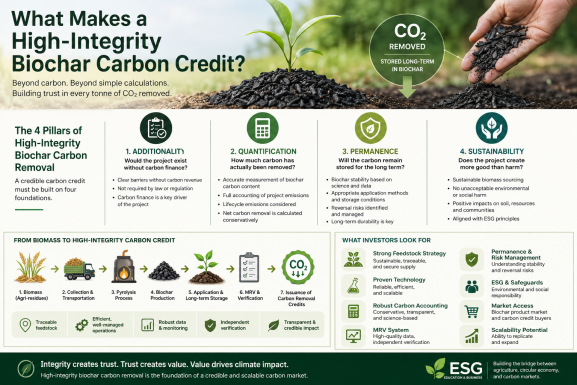
- High Permanence: Once incorporated into soil, biochar remains stable for hundreds to thousands of years, qualifying it as a durable CDR solution under major standards like Puro.earth and Carbon Standard International (CSI).
- Co-Benefits: Beyond carbon removal, biochar improves soil fertility, increases water retention, reduces nutrient leaching, and enhances microbial activity — delivering immediate value to farmers and ecosystems.
- Scalability: Biochar can be produced across different models — from large industrial facilities to small-scale artisan projects using Kon-Tiki kilns — making it adaptable to various geographies and economic contexts.
- Verifiability: Robust Monitoring, Reporting, and Verification (MRV) systems, including digital tools (dMRV), are already operational, increasing buyer confidence.
- Cost-Effectiveness: Compared to many high-tech CDR approaches, biochar offers one of the most competitive prices per ton of CO₂ removed, especially when combined with revenue from physical biochar sales.
Current Market Position
As of 2025, biochar carbon credits are among the highest-priced durable CDR credits, often ranging from $100 to $300 per ton. Major corporations including Microsoft, Google, and other technology leaders have made significant purchases of biochar credits to meet their ambitious net-zero targets.
The report notes that approximately 76% of durable CDR credits delivered so far come from biochar projects, demonstrating clear market preference and trust in this solution.
Challenges and Areas for Improvement
Despite its maturity, biochar still faces several challenges:
- Ensuring consistent quality across different production methods
- Addressing concerns about additionality in carbon credit methodologies
- Scaling physical biochar demand alongside carbon credit revenue
- Improving traceability and transparency in artisan projects
The industry is actively working on these issues through improved standards, better LCA (Life Cycle Assessment) methodologies, and increased investment in field testing.
Strategic Importance for the Mekong Region
For countries in the Mekong Basin, biochar represents a unique triple-win opportunity: effective climate action, agricultural resilience, and rural economic development. With abundant agricultural residues from rice, coffee, cocoa, and cashew, the region has ideal conditions to become a major biochar producer.
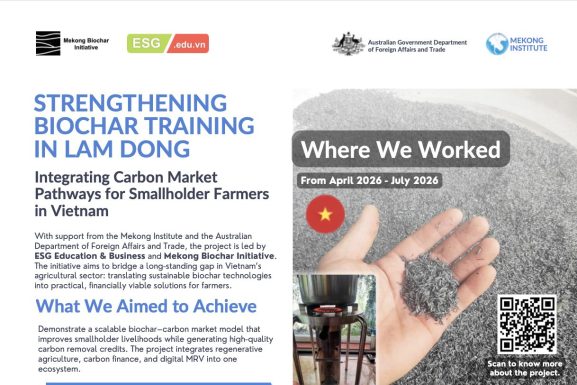
Mekong Biochar Initiative (MBI) is committed to advancing high-quality biochar projects that meet international standards while maximizing benefits for local farming communities.
Conclusion
Biochar stands out as the most mature, scalable, and multi-benefit CDR solution available in 2025. As the world intensifies efforts to remove excess CO₂ from the atmosphere, biochar offers a proven pathway that combines environmental integrity with tangible socio-economic advantages.
Mekong Biochar Initiative invites stakeholders — investors, cooperatives, agribusinesses, and policymakers — to collaborate in scaling responsible biochar production across the Mekong region.
Contact Mekong Biochar Initiative
Website: https://mekongbiochar.com
Email: office@mekongbiochar.com
Hotline: +84 988 203 940
Linkedin : https://www.linkedin.com/company/mekong-biochar-initiative/