Biochar Market Development in the United States: Scale, Innovation, and Industrial Integration
1. Overview
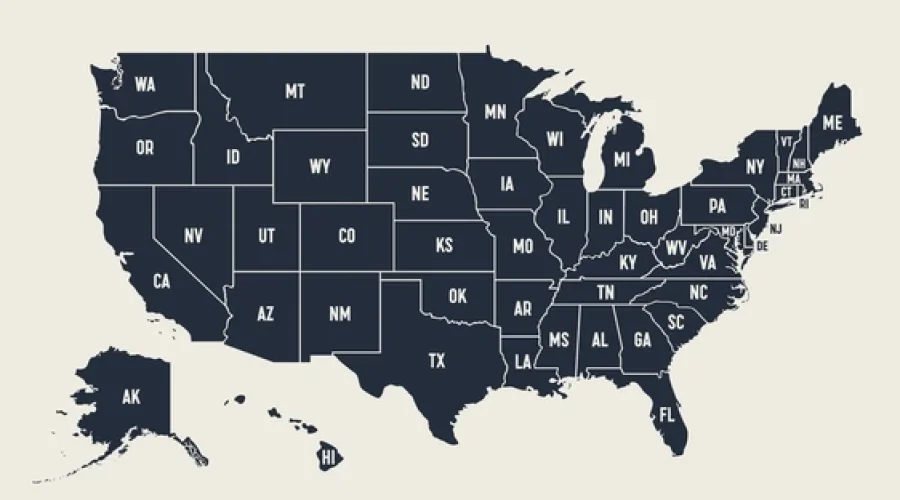
The United States of America is one of the largest and most resource-rich countries globally, with a total land area of approximately 9.15 million km² and a relatively low population density of 26 people per km². Land use is highly diversified: around one-third of the country is forested, while 45% is dedicated to agriculture—comprising 28% permanent pasture and meadow, and 17% arable land. The remaining land consists of urban areas, deserts, and rocky terrain.
According to the International Energy Agency, solid biomass contributed about 4.3% of total energy supply and roughly 10% of heat supply in 2022. Biomass is largely domestically sourced, with a significant portion utilized for industrial heat generation.
In terms of industry coordination, the US Biochar Initiative plays a central role in promoting biochar across agriculture, infrastructure, and industrial markets. Its activities span market development, research, outreach, and climate advocacy, including organizing the North American Biochar Conference. Complementing this, the US Biochar Council serves as a trade association representing stakeholders across the biochar value chain, advocating for favorable policy, regulatory frameworks, and market conditions.
2. Production
The U.S. benefits from abundant biomass resources due to its extensive forestry and agricultural sectors. However, a significant portion of biomass residues remains underutilized and is often treated as waste, incurring disposal costs. Structural changes in industries such as pulp and paper have further reduced demand for low-grade wood, increasing the availability of unused biomass.
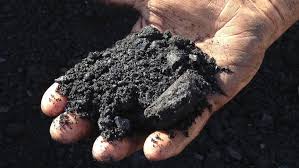
In this context, biochar production offers a compelling value proposition. To remain economically viable in a high-cost environment—characterized by elevated labor and regulatory expenses—U.S. producers must adopt integrated business models that maximize value from all outputs, including biochar, energy, and co-products. Additionally, tipping fees for waste management represent an important supplementary revenue stream, as companies seek cost-effective alternatives for biomass disposal.
The U.S. biochar technology landscape is highly diverse. According to USBI, approximately 37 technology providers operate across different scales:
- Small-scale systems (200–1,000 tonnes/year), including mobile and kiln-based units
- Medium-scale industrial systems (1,000–10,000 tonnes/year)
- Large-scale facilities (10,000–100,000 tonnes/year)
These technologies vary not only in scale but also in feedstock type, end products (biochar, bio-oil, energy), and process configurations.
USBI’s directory lists more than 50 biochar producers across the country, although the number of fully operational commercial suppliers remains unclear. At the continental level, North America produced approximately 169,564 tonnes of biochar in 2023, with around 75% coming from large-scale stationary systems such as auger or rotary kilns. Notably, over 70% of production was not linked to carbon removal credit markets, indicating that material applications still dominate the sector.
A landmark industrial development is the collaboration between Steel Dynamics Inc. and Aymium to establish the SDI Biocarbon Solutions facility in Columbus, Mississippi. This project aims to replace fossil coal with biochar in electric arc furnaces, with an expected production capacity exceeding 160,000 tonnes annually starting in 2026.
3. Applications
Agriculture remains the primary application for biochar in the U.S., particularly as a soil amendment. Typical application rates range from 1 to 5 tonnes per acre, depending on crop type and soil conditions. Efforts led by USBI aim to integrate biochar into United States Department of Agriculture programs to enhance adoption among farmers. Key agricultural uses include soil conditioning, integration into fertilizers (especially nitrogen-based), and application in horticultural substrates.
Beyond agriculture, emerging applications are gaining attention. These include the use of biochar in cement and concrete, stormwater management systems, and urban landscaping solutions. However, regulatory barriers continue to limit widespread adoption in these sectors.
4. Research and Development
The U.S. is a global leader in biochar research, supported by a strong network of universities and federal agencies. One of the most influential research groups is the Lehmann Lab at Cornell University, which focuses on soil ecosystems, carbon cycling, plant growth, and life cycle assessment. The lab has produced hundreds of publications and remains highly active in advancing scientific understanding of biochar.
Another key institution is the Bioeconomy Institute at Iowa State University, which conducts research on carbon-negative systems, pyrolysis technologies, and biochar applications. The institute collaborates with leading universities such as Stanford University and University of California, Berkeley.
Federal research support is provided through agencies such as the USDA’s Climate Hubs, Agricultural Research Service, and Forest Service, all of which contribute to advancing biochar applications and sustainable biomass utilization.
5. Policy, Frameworks, and National Strategies
While federal climate policy has fluctuated in priority, biochar development in the U.S. continues to progress, driven largely by market forces and state-level initiatives. The utilization of domestic biomass aligns with broader economic strategies aimed at strengthening local industries and rural economies.
The USBC is actively working to shape policy by advocating for tax incentives, clearer regulatory frameworks, and the inclusion of biochar in federal programs. At the state level, California and New York are leading in carbon dioxide removal (CDR) initiatives, including procurement programs and legislative efforts supporting carbon farming.
Additionally, efforts are underway to encourage the Environmental Protection Agency to establish distinct regulatory pathways for pyrolysis and gasification technologies, differentiating them from incineration processes. This distinction is critical to unlocking broader deployment and improving public perception.
6. Gaps, Challenges, and Opportunities
Gaps & Challenges
- Low energy prices reduce the competitiveness of energy co-products, limiting revenue streams for biochar producers.
- Limited federal support for carbon removal technologies constrains investment and slows market expansion, particularly in sectors like construction.
Opportunities
- The abundance of low-cost biomass represents a major competitive advantage, especially when combined with tipping fee revenue models.
- Increasing recognition of biochar’s agricultural benefits supports its integration into farming systems.
- The development of standardized methodologies and regulatory frameworks could significantly accelerate adoption.
- Decentralized production models offer opportunities to integrate biochar systems with rural industries, utilizing energy by-products locally and enhancing circular economy outcomes.
Overall, the United States is positioned as a high-potential market for biochar, combining strong resource availability, technological innovation, and growing industrial interest. With improved policy alignment and continued investment, the country could play a leading role in scaling biochar as both a climate mitigation and circular economy solution.