Biochar in the European Union & Switzerland: Market Development, Policy Frameworks, and Industrial Applications
1. Overview
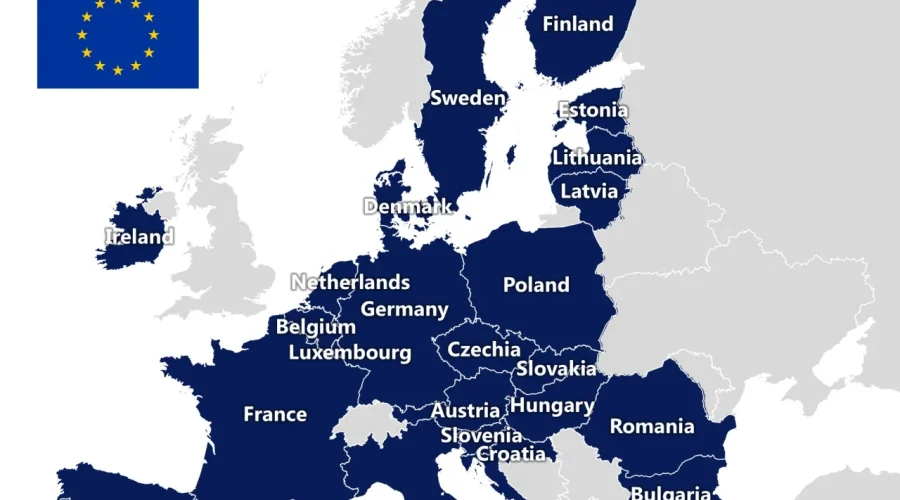
The European Union (EU), comprising 27 member states, spans approximately 4.0 million km² and is home to over 447 million people. The region is characterized by diverse climatic zones, ranging from temperate maritime conditions in Western Europe to Mediterranean climates in the south, continental climates in central regions, and boreal environments in the north. Land use is relatively balanced, with around 41% forest cover and 40% agricultural land, including both croplands and permanent grasslands.
Renewable energy accounted for approximately 18% of the EU’s final energy consumption in 2022, with bioenergy representing the largest share of renewables—over 60% of renewable supply, equivalent to about 11% of total energy use. This highlights the central role of biomass within Europe’s energy transition and broader bioeconomy.
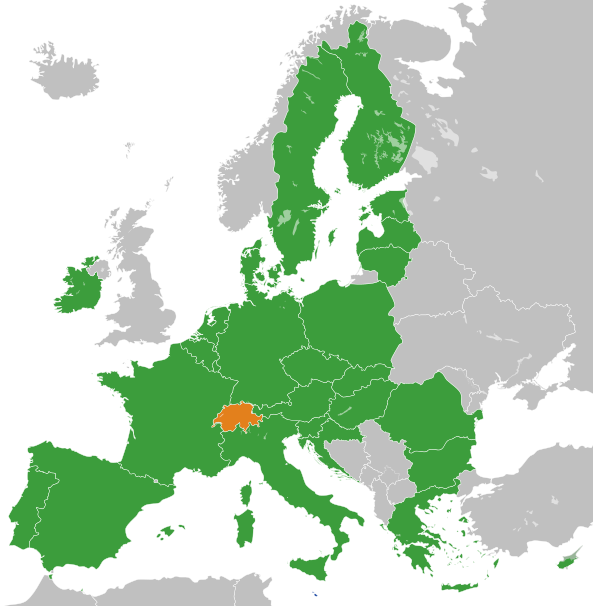
Switzerland, while not a member of the EU or the European Economic Area, is closely aligned geographically and economically. Covering 39,600 km² with a relatively high population density, Switzerland features a temperate climate with significant forest and agricultural land coverage. Its energy mix remains reliant on fossil fuels (approximately 48.6%) and nuclear power (27.8%), with bioenergy contributing around 8.8%. Switzerland is included in this section due to its strong integration into European biochar innovation, policy frameworks, and market development.
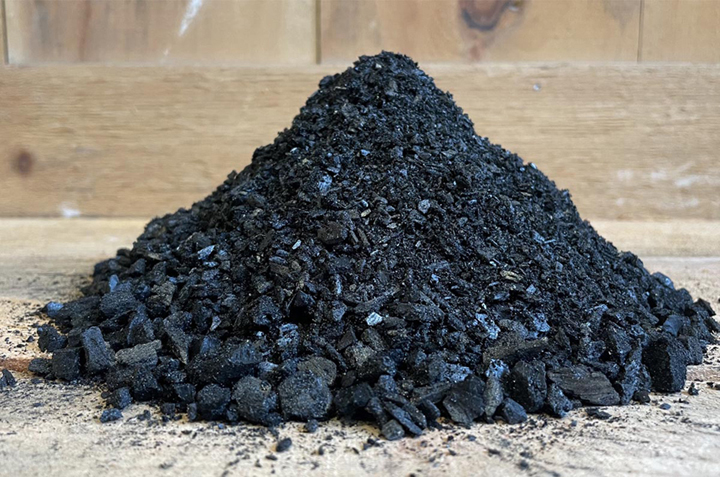
From a biomass perspective, Europe primarily relies on woody biomass, which accounts for roughly 69% of bioenergy feedstock. Agricultural biomass contributes around 18%, while tertiary biomass sources—such as waste oils and sewage sludge—play a smaller but growing role. In 2022, the EU utilized approximately 317 million tonnes (dry matter) of biomass for energy and an additional 260 million tonnes for material applications, predominantly wood-based products.
Although these figures do not directly represent biochar production, they demonstrate the scale of biomass utilization and the maturity of the European bioeconomy. With biomass demand expected to grow by approximately 20% by 2045, competition for feedstock is intensifying, making efficient allocation a critical factor in scaling biochar systems.
At the institutional level, organizations such as Biochar Europe (BCE) play a key role in shaping the sector. With over 130 member organizations, BCE actively supports policy development, market growth, and research dissemination. In parallel, numerous national and regional associations across Europe contribute to advancing biochar adoption and innovation.
2. Production
Europe hosts a technologically advanced and diverse biochar production landscape, with an estimated 30 active technology providers. These technologies vary significantly in scale, design, and operational focus—ranging from systems optimized for biochar production to those prioritizing energy generation, with biochar as a co-product. Many of the leading technologies have reached high levels of technological maturity (TRL 8–9), with multiple commercial installations across the continent.
Examples of prominent technology providers include SYNCRAFT, Pyreg, AquaGreen, EQTECH, CarboForce, and Xylergy. These systems support a wide range of feedstocks, including woody biomass, agricultural residues, and organic waste streams.
Business models in Europe are also evolving. Traditionally, companies focused on equipment supply or plant operation; however, a growing trend is the emergence of integrated project developers who design, finance, own, and operate biochar facilities. This model allows for better control over feedstock sourcing, energy integration, and product commercialization.
Energy integration is a critical component of biochar production economics in Europe. Due to high labor and regulatory costs, most projects rely on the co-generation of heat and electricity to remain financially viable. Excess energy is often supplied to district heating systems or industrial users, supported by technologies such as gas engines and Organic Rankine Cycle (ORC) turbines.
In terms of capacity, Europe leads globally in biochar production dedicated to carbon removal (BCR). As of 2024, the region hosts over 200 biochar plants, with approximately 185 in operation. Annual production capacity for biochar dedicated to carbon removal reached around 84,000 tonnes, generating approximately 55,000 tonnes of biochar and corresponding to 150,000 tonnes of CO₂-equivalent removal.
When combined with traditional charcoal production—primarily for barbecue and metallurgical uses—Europe’s total production capacity exceeds 300,000 tonnes annually. Production is concentrated in regions such as the Nordics, Germany, Austria, and Switzerland.
3. Applications
Europe stands out as a global leader in developing advanced applications for biochar beyond traditional agricultural use. Strong climate policies and regulatory frameworks have created a favorable environment for innovation and commercialization.
One of the fastest-growing applications is in construction materials. Biochar is increasingly being incorporated into cement, concrete, and asphalt, not only for its carbon sequestration benefits but also for its material performance properties. Companies such as CarStorCon and ecoLocked have demonstrated successful integration of biochar into building materials, attracting interest from major industry players.
In the plastics and polymers sector, biochar is being explored as a substitute for fossil-based carbon inputs. This represents a significant opportunity for decarbonizing manufacturing processes and developing more sustainable materials.
The metallurgical sector is another key area of growth. Biochar is being tested and deployed as a partial replacement for fossil coke in steel production. Major European companies have already initiated investments and pilot projects, reflecting increasing pressure from carbon pricing mechanisms and emissions regulations.
Agricultural applications remain important, particularly in soil improvement, composting, and livestock feed. A growing number of biochar-based products are entering the market, supported by certification schemes and increasing awareness of soil health.
4. Research and Development
Europe has a highly developed research ecosystem supporting biochar innovation. Leading institutions across Germany, Austria, Sweden, Italy, and Switzerland are actively engaged in advancing biochar technologies, applications, and standards.
Research focuses include pyrolysis optimization, carbon permanence, environmental impacts, and integration into industrial systems. Institutions such as Fraunhofer, BEST (Austria), Wageningen University, and the Ithaka Institute play central roles in driving innovation.
Notably, the Ithaka Institute has been instrumental in developing the European Biochar Certificate (EBC), one of the most widely recognized standards for biochar quality and carbon sequestration.
5. Policy, Frameworks, and National Strategies
The European Union has established one of the most comprehensive regulatory environments for biochar globally. Biochar is governed under multiple frameworks, including REACH (chemical regulation), the Fertilizing Products Regulation, and the Renewable Energy Directive.
A major milestone is the introduction of the Carbon Removal and Carbon Farming Regulation (CRCF) in 2024. This framework provides a standardized system for certifying carbon removals, including biochar-based carbon sequestration. It is designed to ensure high-quality carbon credits through robust monitoring, reporting, and verification (MRV) requirements, while facilitating market development.
Despite these advances, policy integration remains incomplete, particularly in areas such as construction materials, wastewater treatment, and permitting processes for biochar facilities.
At the national level, some countries have taken more proactive approaches. Denmark, for example, has launched a €1.35 billion subsidy program to support biochar production through pyrolysis, demonstrating strong governmental commitment to scaling carbon removal technologies.
6. Gaps, Challenges, and Opportunities
Europe’s biochar sector faces several structural challenges. One of the most significant is competition for biomass, as multiple industries—including energy, construction, and biofuels—compete for the same feedstock resources. This creates pressure on supply chains and pricing.
Investment gaps also persist, particularly at the EU member state level, where more consistent financial support is needed to accelerate deployment and market development.
However, the opportunities are substantial. Strong climate policies, combined with mechanisms such as the CRCF and the EU Emissions Trading System (ETS), are creating powerful incentives for carbon removal solutions. Biochar is well positioned to benefit from these trends, particularly in sectors where both carbon and material benefits can be realized.
The integration of biochar into industrial applications—such as construction and metallurgy—offers scalable pathways for growth. At the same time, increasing attention to soil health and sustainable agriculture provides additional demand drivers.
Finally, Europe’s long-standing expertise in bioenergy and decentralized energy systems creates a strong foundation for integrating biochar production with heat and power generation, enabling efficient and economically viable deployment across the region.