South America: Emerging Biochar Projects and Regional Leadership
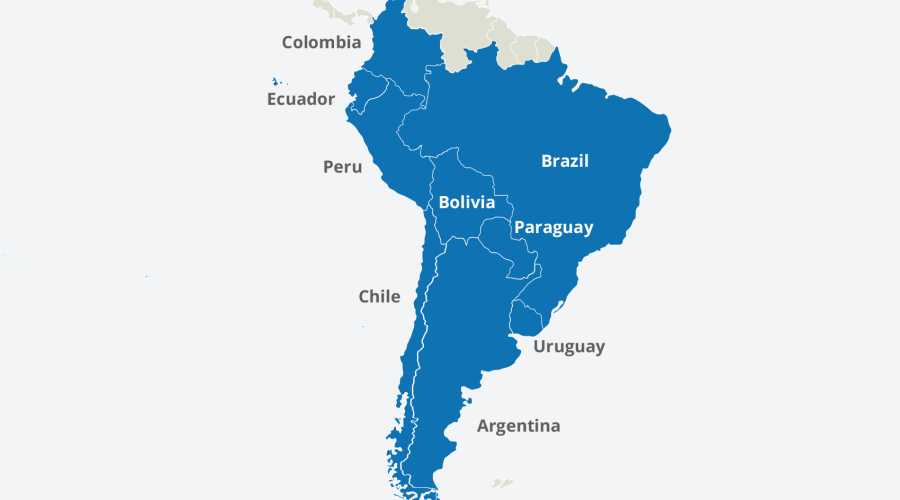
South America is rapidly positioning itself as a key region for biochar deployment, driven by abundant biomass resources, strong agricultural sectors, and increasing participation in carbon markets. Across countries such as Bolivia, Colombia, Brazil, and Nicaragua, biochar initiatives are demonstrating how climate mitigation, soil restoration, and rural development can be integrated into scalable business models.
Bolivia: Industrial-Scale Carbon Removal – Exomad Green
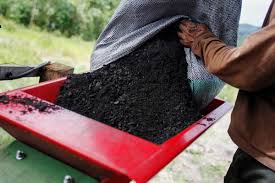
One of the most significant global developments in biochar comes from Exomad Green in Bolivia. Operating in the Guarayos region, the company has established what is currently considered the world’s largest biochar production facility. By processing forestry residues, Exomad produces over 50,000 tonnes of biochar annually, corresponding to more than 120,000 tonnes of CO₂ removal.
Looking ahead, Phase 2 of the project (expected by 2027) will scale operations to 16 reactors, enabling annual removal of up to 320,000 tonnes of CO₂ and production of 128,000 tonnes of biochar. The company’s broader ambition is to reach 800,000 tonnes of CO₂ removal across multiple sites, with carbon credits certified under Puro.earth.
A defining feature of this model is its integration with local agricultural communities. Biochar is applied to soils to improve fertility and resilience, while field trials have demonstrated measurable benefits in crop productivity—including sorghum, soybean, maize, and beans—even under drought and low rainfall conditions.
Colombia: Regenerative Agriculture – Biodiversal Coffee Project
In Colombia, Biodiversal is pioneering a decentralized biochar model focused on smallholder coffee farmers. The project converts coffee pruning residues into biochar, creating a circular system within coffee production.
By leveraging digital monitoring, reporting, and verification (dMRV) technology from Planboo, the project ensures traceability and credibility of carbon removal. It aims to remove 200,000 tonnes of CO₂ by 2030, supported by the application of 100,000 tonnes of biochar.
Importantly, the economic model directly benefits farmers: carbon credit revenues are partially redistributed as financial support, while farmers retain the biochar to enhance soil quality and reduce dependence on chemical fertilizers.
Brazil: Scaling Biochar in Agriculture and Industry
Coffee Sector – NetZero & ECOM
In Brazil, a partnership between NetZero and ECOM is advancing large-scale biochar deployment in coffee production. A new industrial facility in Machado—one of Brazil’s key coffee regions—is expected to produce 4,000 tonnes of biochar annually, enabling the removal of over 6,000 tonnes of CO₂. This project reflects a growing trend of integrating biochar into global agricultural value chains.
Industrial Decarbonization – Aperam BioEnergia
Another notable case is Aperam BioEnergia, which has been producing charcoal from sustainably managed eucalyptus forests for over a decade. Operating across approximately 100,000 hectares, the company has successfully replaced fossil coke with biogenic carbon in steel production. This demonstrates the potential of biochar-related materials in heavy industry decarbonization.
Nicaragua: Climate-Resilient Coffee Systems
In Nicaragua, biochar is being integrated into coffee production systems to enhance climate resilience. The project focuses on converting farm wood residues into biochar, which is then blended with coffee pulp compost. This enriched compost replaces synthetic fertilizers in nurseries, improving soil fertility, water retention, and seedling survival rates.
Beyond agronomic benefits, the model creates additional income streams for farmers through the sale of biomass residues, while reducing input costs and improving long-term productivity.
Key Takeaways
Across South America, biochar development is characterized by:
- Strong linkage to agriculture, particularly coffee and staple crops
- Integration with carbon markets, enabling scalable climate finance
- Decentralized and community-based models, especially among smallholder farmers
- Emerging industrial applications, particularly in metallurgy and large-scale carbon removal
The region’s combination of biomass availability, favorable growing conditions, and increasing access to carbon finance positions it as one of the most promising frontiers for global biochar expansion.