
Global Biochar Market in 2025: Explosive Growth from 350,000 Tons to Millions of Tons
The biochar industry is experiencing remarkable momentum in 2025, transitioning rapidly from a niche agricultural amendment to a mainstream climate solution. According to the comprehensive Biochar Market Study published by Nitidae in June 2025, global biochar production reached approximately 350,000 tons in 2023 — a significant increase from less than 100,000 tons in 2021. This represents an average annual growth rate exceeding 100%. Industry forecasts are even more ambitious: production is expected to surpass 2.5 million tons by the end of 2025 and could reach 4.4 million tons by 2028, according to leading carbon marketplace Supercritical.
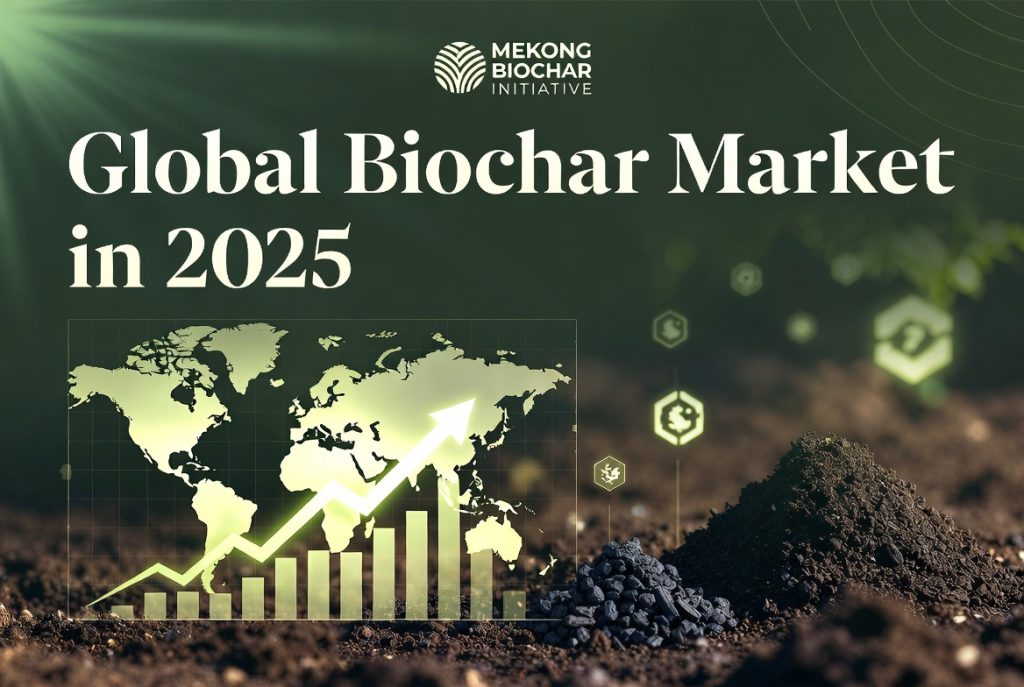
This explosive growth is primarily driven by the booming voluntary carbon market and the increasing recognition of biochar as one of the most mature and reliable Carbon Dioxide Removal (CDR) technologies available today. Biochar, produced through the pyrolysis of biomass in oxygen-limited conditions, offers long-term carbon sequestration — often for hundreds to thousands of years when applied to soil — while simultaneously delivering multiple agronomic and environmental co-benefits.
Regional Landscape and Shifting Leadership
In 2023, North America and Europe dominated global production, accounting for 45% and 20% respectively. These regions have benefited from early adoption, strong research infrastructure, and well-developed carbon markets. However, the center of gravity is shifting rapidly toward the Global South. Countries in Africa, Asia, and Latin America are poised to capture a much larger share of future production due to abundant low-cost biomass, lower labor costs, and urgent needs for soil regeneration and climate adaptation.
By 2028, the Global South is projected to represent up to 80% of global biochar output. This transition presents enormous opportunities for developing nations, particularly in Southeast Asia and West Africa, where agricultural residues from rice, coffee, cocoa, and cashew processing provide ideal feedstock.
Key Drivers of Growth
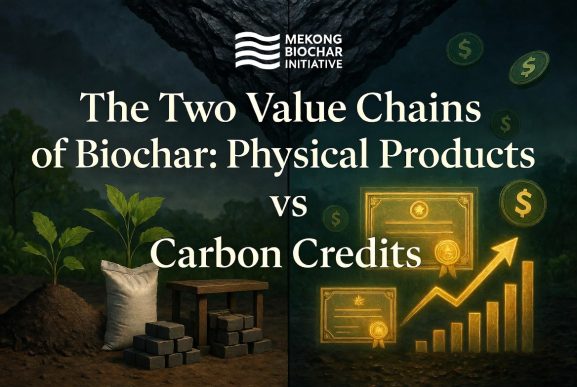
The primary catalyst behind this surge is the carbon credit market. Biochar Carbon Removal (BCR) credits are currently among the highest-priced durable CDR credits, often trading between $100 and $300 per ton of CO₂e. Major technology companies such as Microsoft and Google have become significant buyers, seeking high-quality, verifiable removals to meet their net-zero commitments.
Beyond carbon markets, physical biochar demand is gradually expanding across multiple sectors:
- Agriculture and horticulture (soil amendment and enhanced fertilizers)
- Animal feed additives
- Construction materials (concrete and asphalt)
- Water filtration and environmental remediation
However, the Nitidae report emphasizes that physical biochar markets are still emerging and face challenges related to farmer awareness, product standardization, and competitive pricing.
Challenges on the Horizon
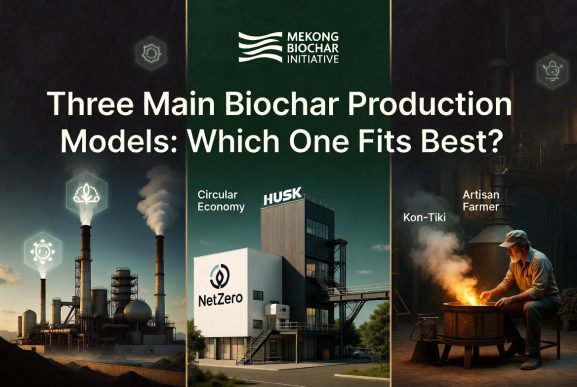
Despite the optimistic outlook, several risks remain. Rapid supply growth could exert downward pressure on both physical biochar prices and carbon credit values. The industry must address quality consistency, robust Monitoring, Reporting, and Verification (MRV) systems, and the development of mature distribution channels for physical products. Additionally, the debate between industrial-scale projects and artisan models continues, particularly regarding credit quality and additionality.
Opportunities for the Mekong Region
The Mekong River Basin, with its vast agricultural economy and significant biomass resources, is exceptionally well-positioned to participate in this global boom. Mekong Biochar Initiative (MBI) is actively working to bridge local production with international carbon markets while ensuring benefits reach smallholder farmers.
By combining circular economy models — converting agricultural waste into biochar and returning it to the same farming communities — projects can generate both environmental impact and sustainable income streams.
Conclusion and Call to Action
The year 2025 marks a pivotal moment for the global biochar sector. What began as an ancient soil enhancement technique has evolved into a powerful climate solution with triple-bottom-line benefits: carbon removal, soil health improvement, and rural economic development.
Mekong Biochar Initiative invites partners, investors, cooperatives, and policymakers to join this transformative movement. Together, we can scale responsible biochar production across the Mekong region, contribute meaningfully to global climate goals, and create lasting value for farming communities.
Contact Mekong Biochar Initiative Website: https://mekongbiochar.com Email: office@mekongbiochar.com Hotline: +84 988 203 940