Africa: Scaling Biochar for Climate Resilience and Livelihood Development
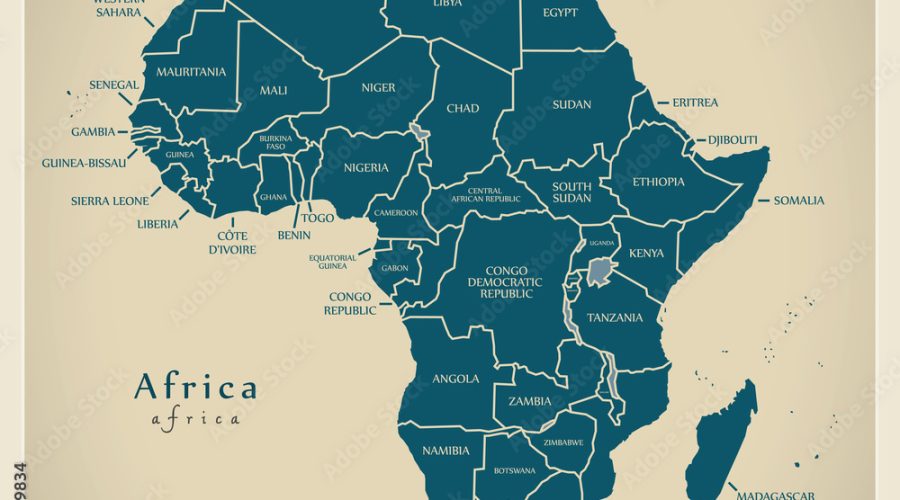
Across Africa, biochar is emerging as a transformative solution that simultaneously addresses climate change, soil degradation, and rural livelihoods. A diverse range of projects—spanning East, West, and Southern Africa—demonstrate how decentralized biochar systems can deliver both environmental and socio-economic benefits at scale.
Tanzania: ELCAP – Empowering Smallholders through Biochar Value Chains
The Enhanced Livelihoods through Commercial Agricultural Production (ELCAP) project in Tanzania stands out as one of the most impactful biochar initiatives globally. Led by the Strømme Foundation with support from NORAD and multiple technical partners, the project operates in the semi-arid Singida region.
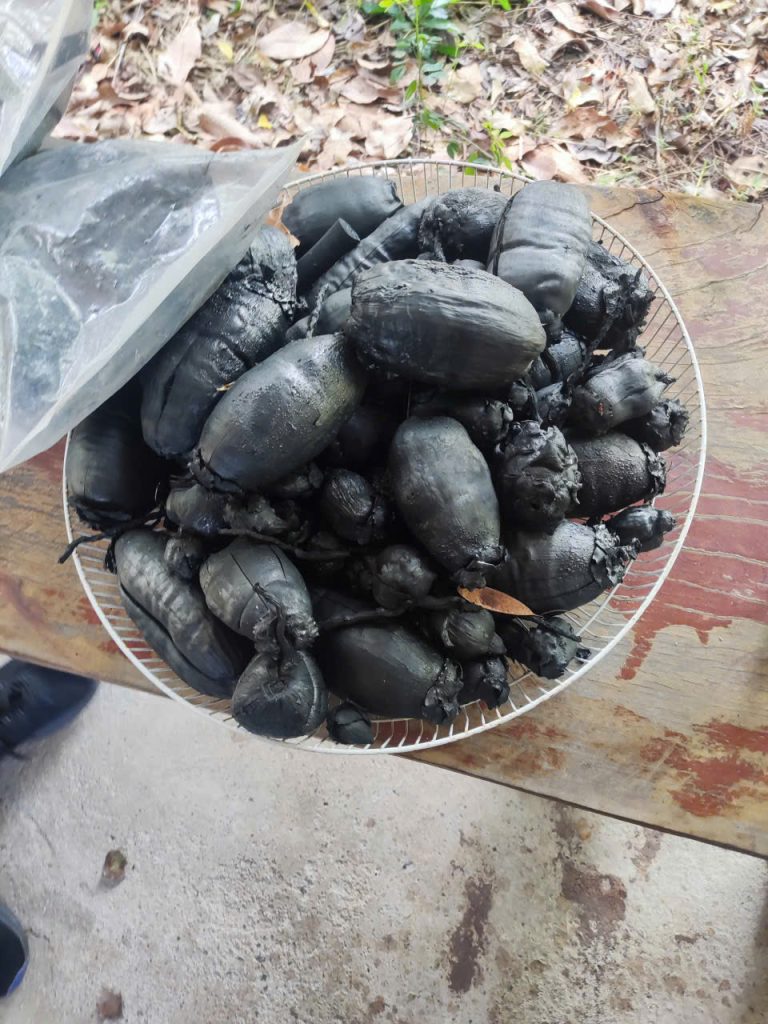
ELCAP focuses on integrating biochar into agricultural systems using locally available feedstocks such as sunflower stems, maize cobs, and agroforestry residues. Farmers produce biochar using low-cost Kon-Tiki flame curtain kilns, enabling decentralized, on-farm production.
With more than 6,000 farmers trained, the project achieves annual carbon removals of 12,000–24,000 tonnes of CO₂ while delivering significant agricultural benefits. Crop yields for staples such as maize, sorghum, and sunflower have increased by 30–50%, demonstrating the strong linkage between biochar application and food security.
Ghana: Transforming Cocoa Waste into Climate Solutions
In Ghana, multiple biochar initiatives are targeting the cocoa sector—one of the country’s most important agricultural industries.
The Tachibana Cocoa Project, in collaboration with Planboo, converts cacao pod waste into biochar instead of leaving it to decompose or burn. This approach prevents fungal diseases, reduces methane emissions, and improves soil fertility. The project is expected to remove approximately 18,000 tonnes of CO₂ by 2030.
Complementing this effort, the Ithaka Institute’s Cocoa Biochar Project is a large-scale demonstration involving around 3,000 farmers. It introduces advanced techniques such as injecting biochar-fertilizer slurry directly into root zones, significantly improving nutrient uptake and soil structure. Yield improvements of 20–50% are anticipated, while simultaneously turning cocoa farms into long-term carbon sinks.
Another initiative, the Bonding over Biochar Project, focuses on smallholder farmers in the Oti region. By converting cacao husks into biochar using specialized kilns, the project achieves up to 94% methane reduction. The resulting biochar is returned to local soils, and carbon finance supports an estimated 41,000 tonnes of CO₂ removal annually.
Kenya: Refugee-Led Carbon Removal in Drylands
In Kenya, the NARA Community Drylands Project introduces a pioneering model of refugee-led climate action in Turkana. In partnership with Planboo and local organizations, invasive bush biomass is converted into biochar and integrated into agroforestry systems.
This initiative not only restores degraded land but also creates new income streams through high-integrity carbon credits. The project targets carbon removals of up to 100,000 tonnes of CO₂ by 2030, while strengthening resilience among vulnerable communities.
Namibia: Landscape Restoration through Bush-to-Biochar Systems
In Namibia, the Farm Gai Kaisa Biochar Project addresses bush encroachment—a major ecological challenge—by converting excess acacia biomass into biochar.
This approach restores savannah ecosystems, improves soil fertility, and enhances agricultural productivity. With a projected carbon removal potential of 329,000 tonnes of CO₂ by 2030, the project demonstrates how biochar can link ecosystem restoration with carbon markets and rural development.
Zambia: Strengthening Climate Resilience in Cotton Farming
In Zambia, biochar is being integrated into cotton farming systems to combat declining productivity caused by climate variability.
Smallholder farmers are trained to convert cotton stalk residues into biochar, improving soil structure, water retention, and nutrient availability. With a targeted carbon removal of 66,000 tonnes of CO₂ by 2030, the project not only enhances crop yields but also stabilizes farmer incomes in a highly climate-sensitive sector.
Key Takeaways Across Africa
Across these diverse contexts, several consistent themes emerge:
- Decentralized production models (e.g., Kon-Tiki kilns) enable rapid adoption among smallholder farmers.
- Strong co-benefits include yield increases (20–50%), improved soil health, and reduced input costs.
- Carbon finance mechanisms play a critical role in scaling projects and supporting rural incomes.
- Waste-to-value transformation (cocoa pods, cotton stalks, invasive bush) is central to circular economy models.
Overall, Africa represents one of the most dynamic regions for biochar deployment, where climate mitigation, adaptation, and socio-economic development are deeply interconnected.