
Lam Dong Province is emerging as a testing ground for an innovative climate-agriculture model that links biochar production with carbon market participation, offering smallholder farmers a pathway to improve soil health while generating new income streams.
The three-month pilot project, titled “Strengthening Biochar Training in Lam Dong: Integrating Carbon Market Pathways for Smallholder Farmers in Vietnam,” is led by ESG Education & Business and Mekong Biochar Initiative. The initiative aims to bridge a long-standing gap in Vietnam’s agricultural sector: translating sustainable technologies into practical, financially viable solutions for farmers.
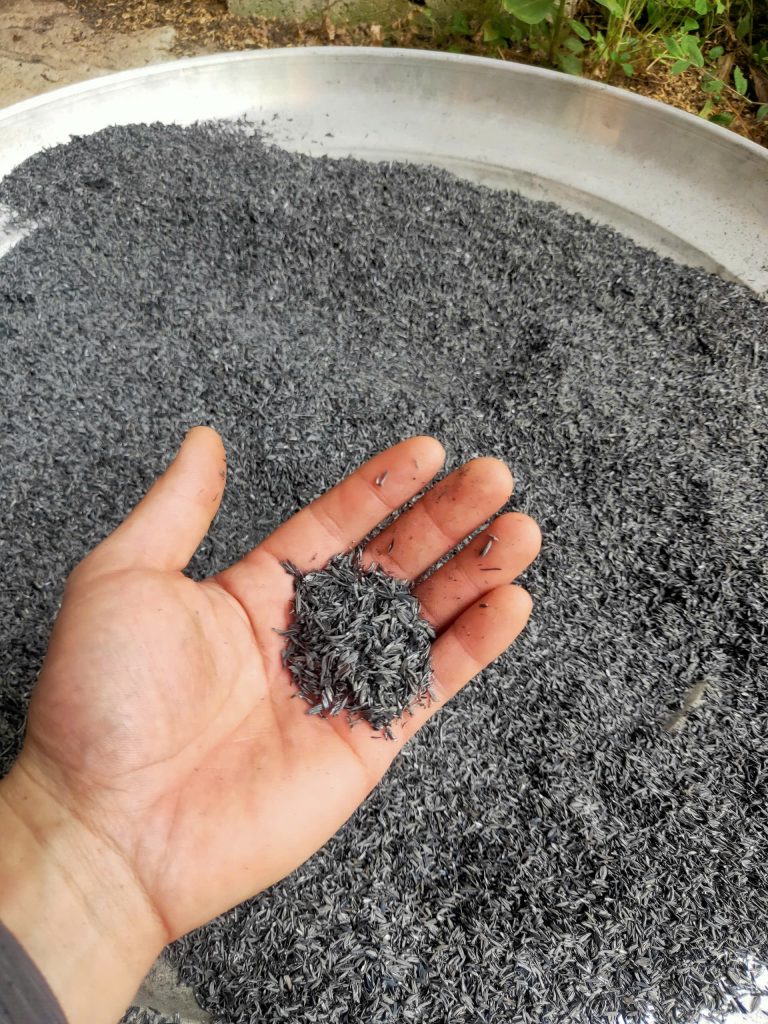
Turning agricultural waste into opportunity
In many parts of Vietnam, crop residues are still burned in the open, contributing to air pollution, greenhouse gas emissions, and long-term soil degradation. The Lam Dong pilot seeks to reverse this trend by introducing biochar—produced through controlled thermal conversion of biomass—as a soil amendment that improves fertility while locking carbon into the ground.
“Biochar is not just a soil solution—it is a climate solution,” the project team notes. “But its real breakthrough comes when farmers can connect it to carbon finance.”
Despite its potential, biochar adoption in Vietnam has remained limited. Farmers often lack access to appropriate technologies, technical training, and, critically, a clear understanding of how biochar can generate economic returns through carbon credits.
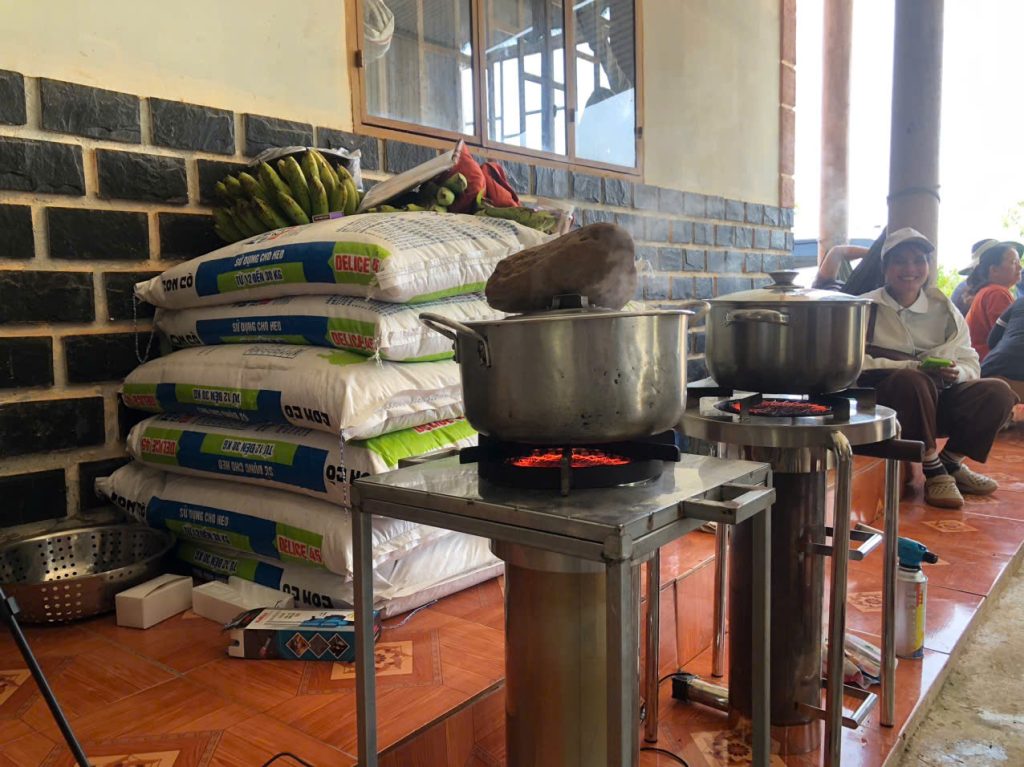
From training to implementation
The project focuses on approximately 30 smallholder farmers, primarily in coffee and vegetable farming. Through a combination of classroom instruction and field-based demonstrations, participants are trained in biochar production, soil application, and the fundamentals of carbon markets, including monitoring and verification requirements.
To ensure practical adoption, the program goes beyond theory. Around 20 households are equipped with small-scale biochar stoves, enabling them to convert agricultural residues into valuable soil inputs directly on their farms. Early observations suggest a shift away from open burning toward circular biomass use.
Rather than presenting carbon markets as an abstract concept, the project introduces farmers to real pathways for participation. By aggregating smallholder activities, the initiative explores how biochar production at the household level can contribute to larger carbon credit programs.
A new income stream for rural communities
One of the most compelling aspects of the pilot is its economic dimension. In addition to reducing input costs—such as chemical fertilizers—biochar opens the door to carbon credit revenues. This dual benefit is particularly relevant in a context where farmers often prioritize short-term yields over long-term soil health.
The integration of carbon finance is expected to improve the attractiveness of sustainable practices. Farmers who once viewed residue management as a cost or burden may begin to see it as a source of value.
Aligning with national climate goals
The project also aligns with Vietnam’s broader climate commitments, including its pledge to achieve net-zero emissions by 2050. By promoting carbon sequestration at the farm level, biochar contributes to the country’s Nationally Determined Contribution (NDC) while supporting climate-resilient agriculture.
Lam Dong, known for its intensive farming systems and high levels of organic waste, provides an ideal setting for such a pilot. If successful, the model could be scaled to other agricultural regions across the country.
Early signals and future potential
Although still in its early stages, the project is already generating measurable outcomes. Farmers are demonstrating the ability to independently operate biochar systems, while awareness of carbon credit opportunities is increasing. More importantly, the initiative is producing a structured training framework that can be replicated in future programs.
Challenges remain. Behavioral change takes time, and the carbon market landscape is still evolving. However, the pilot offers a practical example of how climate solutions can be localized, simplified, and made economically relevant for smallholder farmers.
As global interest in carbon removal technologies grows, initiatives like this highlight a crucial insight: the success of climate innovation will depend not only on technology, but on its ability to deliver tangible benefits to those on the ground.
In Lam Dong, that transition—from concept to livelihood—is already underway.
Classifieds Categories
Regions
Gallery
Location
Added By Mekong BioChar