How Biochar Generates Carbon Credits
From biomass to measurable, high-integrity carbon removal
Biochar is increasingly recognized as one of the most credible pathways for generating carbon credits, particularly within the category of Carbon Dioxide Removal (CDR). Unlike traditional offset projects that avoid emissions, biochar projects actively remove CO₂ from the atmosphere and store it in a stable form, making them highly valuable in modern carbon markets.

1. The Core Principle: Carbon Capture → Stabilization → Storage
The carbon credit value of biochar is built on a simple but powerful mechanism:
Step 1: Atmospheric CO₂ Capture
Plants absorb CO₂ through photosynthesis and convert it into biomass (crop residues, wood, organic waste).
Step 2: Conversion via Pyrolysis or Gasification
Instead of decomposing or being burned (which would release CO₂), biomass is thermochemically converted into:
- Biochar (stable carbon)
- Syngas / energy
- Bio-oil (in some systems)
Step 3: Long-Term Carbon Storage
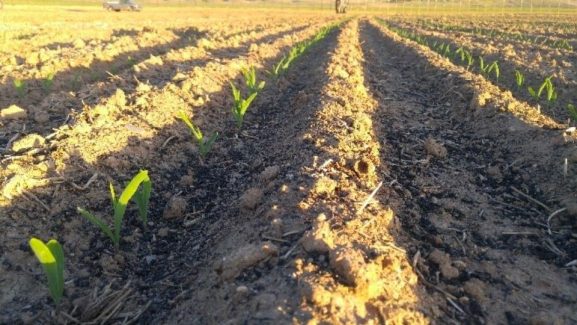
Biochar is applied to soil or used in materials, where its carbon remains stable for hundreds to thousands of years.
👉 This is what qualifies biochar as a carbon removal technology, not just an emission reduction tool.
2. Carbon Accounting: How Credits Are Calculated
Carbon credits from biochar are quantified using scientific carbon accounting methodologies. The basic logic:
Carbon Credit = Net CO₂ Removed
This includes:
(+) Carbon Stored in Biochar
- Measured via lab analysis (carbon content, fixed carbon fraction)
- Typically 60–90% carbon content
- Converted into CO₂ equivalent (CO₂e)
(–) Emissions from the Process
- Biomass transport
- Energy used in the system
- Process emissions (if not fully optimized)
(+) Avoided Emissions
- Prevented open burning or decomposition
- Reduced methane (CH₄) and nitrous oxide (N₂O) emissions
- Displacement of fossil fuels (if energy is co-generated)
👉 Final result:
1 ton of biochar ≈ 2–3 tons CO₂e removed (net)
3. MRV System (Monitoring, Reporting, Verification)
To issue carbon credits, biochar projects must follow strict MRV frameworks:
Monitoring
- Feedstock origin (must be sustainable biomass)
- Production conditions (temperature, reactor type)
- Biochar quantity and quality
Reporting
- Carbon content (%C)
- Stability factors
- Lifecycle emissions
Verification
- Third-party auditors validate data
- Certification bodies approve credits
👉 This ensures transparency, traceability, and credibility—critical for ESG and carbon markets.
4. Why Biochar Credits Are High-Quality
Biochar carbon credits are often considered premium credits because they meet key criteria:
Permanence
- Carbon stored for centuries to millennia
- Much lower reversal risk than forests
Additionality
- Biomass would otherwise decay or burn
- Biochar creates a new carbon sink
Measurability
- Carbon content can be directly tested
- Easier to quantify than soil carbon or forestry
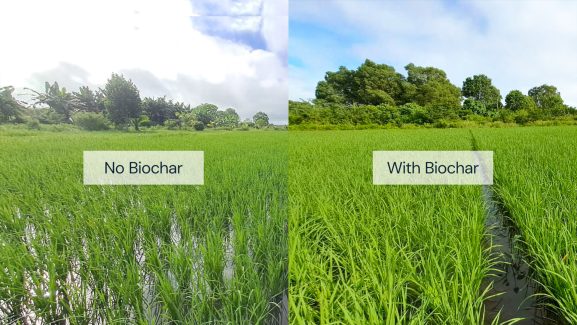
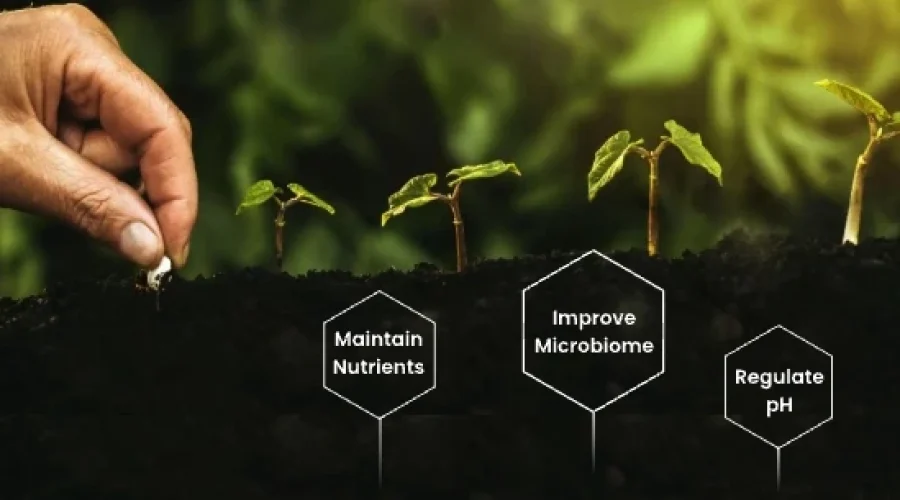
Co-benefits
- Soil fertility improvement
- Water retention
- Reduced fertilizer use
- Lower methane emissions
5. Certification Standards & Platforms
Several organizations are developing or operating biochar credit systems:
- Puro.earth → One of the leading platforms for biochar credits (CORCs – CO₂ Removal Certificates)
- Verra (VCS) → Developing methodologies for biochar CDR
- Gold Standard → Exploring carbon removal frameworks
These platforms define:
- Methodologies
- Carbon accounting rules
- Verification requirements
6. Revenue Model for Biochar Projects
Biochar enables dual revenue streams:
1. Carbon Credits
- Sold in voluntary carbon markets
- Premium pricing due to high integrity
2. Physical Product Value
- Soil amendment
- Feed additive
- Environmental remediation material
👉 This makes biochar one of the few economically viable carbon-negative technologies.
7. Integrated System Example (Circular Model)
A typical biochar carbon project:
Agricultural residues → Pyrolysis → Biochar + Energy → Soil application → Carbon credits
Benefits:
- Waste → value
- Energy self-sufficient system
- Long-term carbon storage
- Improved farm productivity
8. Strategic Importance for Vietnam & Developing Countries
Biochar carbon credits are especially relevant in regions with:
- High agricultural residue availability (rice husk, coffee, biomass waste)
- Growing ESG and export requirements
- Need for climate-resilient agriculture
👉 Opportunity:
- Turn waste into carbon assets
- Enable farmers to access carbon markets
- Support national net-zero targets
Conclusion
Biochar generates carbon credits by transforming short-lived biological carbon into a durable, measurable, and verifiable carbon sink. Through robust MRV systems and strong co-benefits, it represents one of the most credible and scalable carbon removal pathways available today.
More importantly, biochar shifts the paradigm—from treating carbon as a liability to managing it as an economic and environmental asset.