How it Works
HOW IS BIOCHAR PRODUCED?
Biochar is produced through thermal decomposition of biomass in low-oxygen conditions. The two main thermochemical pathways are:
1. Pyrolysis
- Conducted in oxygen-limited environments
- Produces:
- Biochar (solid)
- Syngas (gas)
- Bio-oil (liquid)
2. Gasification
- Uses controlled amounts of oxygen or air
- Prioritizes energy production, with biochar as a by-product
Both processes can generate renewable energy, making biochar systems highly relevant for integrated energy–waste–carbon solutions.
BIOCHAR PRODUCTION TECHNOLOGIES
Pyrolysis Systems
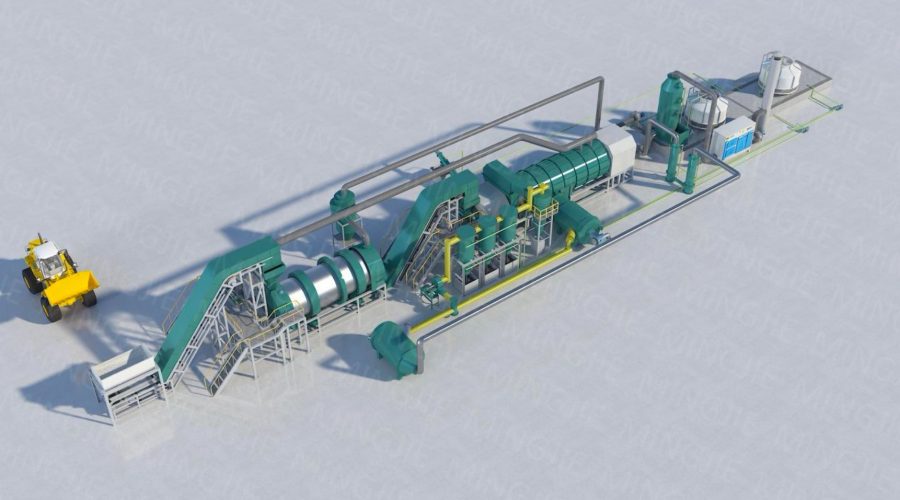
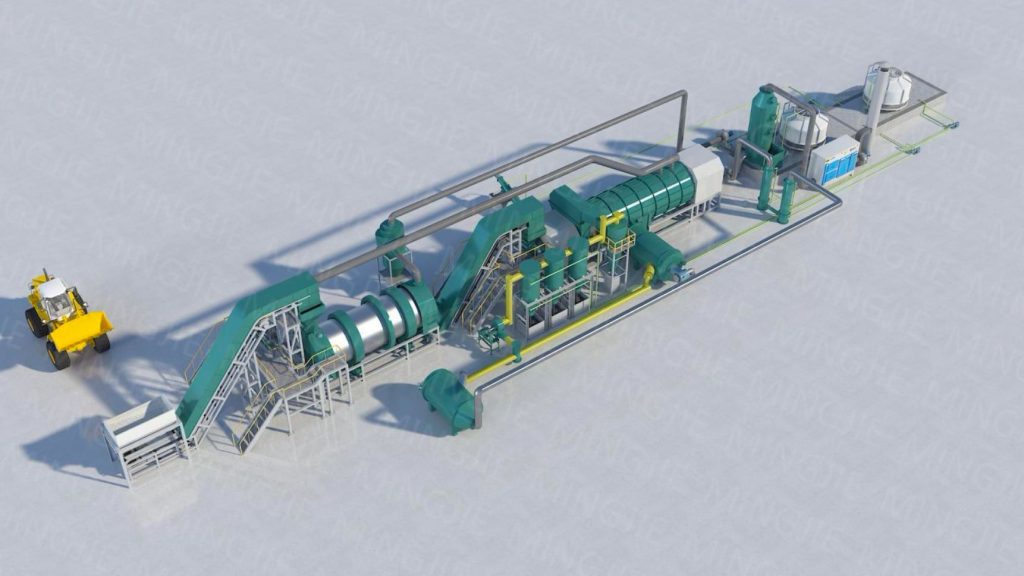
Pyrolysis technologies typically use kilns, retorts, or industrial reactors to heat biomass while excluding oxygen.
Two main types:
- Slow pyrolysis
→ Maximizes biochar yield - Fast pyrolysis
→ Maximizes bio-oil production
Modern systems are often:
- Continuous-feed reactors (higher efficiency, lower emissions)
- Designed for energy recovery and emission control
Gasification Systems
Gasification introduces a limited amount of oxygen, resulting in:
- Higher energy output (syngas)
- Lower biochar yield
This makes gasification suitable for:
- Energy-focused applications
- Combined heat and power (CHP) systems
SCALE AND DEPLOYMENT MODELS
Biochar production systems can be deployed across multiple scales:
Small-scale (decentralized)
- 50 – 1,000 kg biomass/hour
- Suitable for:
- Farms
- Cooperatives
- Agro-processing facilities
Industrial scale
- Up to 4,000 kg/hour or more
- Integrated into:
- Industrial parks
- Waste management systems
- ESG-driven infrastructure
Mobile vs stationary systems:
- Mobile units → flexible, reduce transport cost
- Stationary plants → higher efficiency and scalability
ADVANCED BIOCHAR PRODUCTION OPPORTUNITIES
Emerging innovations are improving both economics and environmental performance:
- Continuous pyrolysis systems → higher efficiency, lower emissions
- Autothermal (self-sustaining) operation → reduced external energy demand
- Co-product recovery (syngas, bio-oil) → improved financial viability
- Process optimization → tailored biochar for specific applications
- Feedstock flexibility → ability to process diverse biomass streams
👉 These advancements are critical for:
- Scaling carbon credit projects
- Integrating into Net Zero strategies
- Developing circular bioeconomy models
BIOCHAR FEEDSTOCKS
Biochar should be produced primarily from biomass waste streams, ensuring:
- No competition with food production
- Alignment with circular economy principles
Common feedstocks:
- Agricultural residues (rice husk, straw, bagasse)
- Forestry residues
- Food and organic waste
- Animal manure
⚠️ Important:
Feedstocks must be free from toxic contaminants (e.g., heavy metals in sewage sludge or industrial waste).
Feedstock impact on biochar quality
The nutrient composition of biochar depends on:
- Feedstock type
- Pyrolysis temperature
Examples:
- Manure-based biochar → high in potassium and nutrients
- Wood-based biochar → high carbon content, more stable
👉 Therefore, batch testing is essential for quality control and certification (e.g., EBC, IBI standards).
ECONOMIC CONSIDERATIONS
Key factors influencing project feasibility:
1. Feedstock availability
- Local sourcing reduces cost and emissions
- Waste feedstocks may generate tipping fee revenue
2. Competing uses
- Opportunity cost (e.g., manure used as fertilizer vs biochar feedstock)
3. Transport and logistics
- Biomass is low-density → high transport cost
- Pre-treatment (chipping, pelletizing) may be required
4. Pre-processing
- Drying is often necessary
- Can utilize waste heat from pyrolysis systems
BIOCHAR APPLICATIONS
Biochar has multiple commercial pathways, particularly in emerging markets like Vietnam:
1. Agriculture (largest market)
- Soil amendment
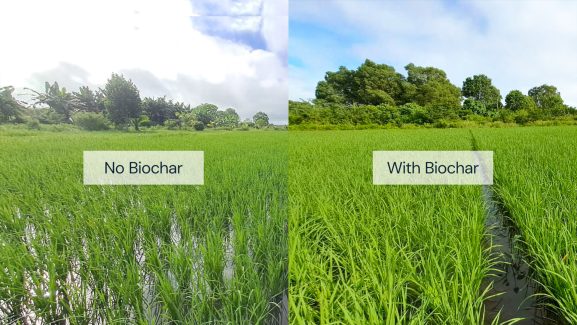
- Yield improvement
- Reduced fertilizer dependency
2. Environmental remediation
- Wastewater treatment
- Pollution control
3. Activated carbon substitute
- Industrial filtration
- Air and water purification
4. Carbon markets
- Biochar is a recognized carbon removal technology (CDR)
- Eligible for carbon credits under standards like Verra, Puro.Earth
STRATEGIC RELEVANCE (ESG & CARBON MARKETS)
Biochar sits at the intersection of:
- Climate mitigation (carbon removal)
- Waste management
- Sustainable agriculture
- Renewable energy
👉 For ESG and carbon projects, biochar enables:
- Scope 3 emission reduction
- Carbon credit generation
- Circular economy integration
- Nature-based + engineered hybrid solutions